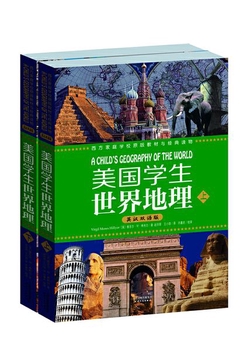
美国学生世界地理(英汉双语版 上下册)
维吉尔·M.希利尔
9738人在读
53.3万字总字数
¥3.99定价
维吉尔·M.希利尔
本书是写给这样的孩子:他认为天堂在天上,地狱在地下;他从未听说过伦敦或巴黎;他认为丹麦人是一种狗……本书将呈现一个旅行者眼中的世界——但不是一个旅行推销员眼中的世界。告诉孩子在地平线以外有什么地方:从“卡拉马祖到廷巴克图”。书中不仅给孩子讲“世界七大奇观”,还要给他们讲述七十倍于“七大奇观”的故事。
这是一本英汉双语的,以一个美国人的眼光介绍世界各地情形的书。一个人不可能完全脱离自身情况看待事物,但是可以多了解其他外国人的看法,来增加自己看问题的客观性。世界公民一词很早就有了,自认为是世界公民的人,要么是无奈,要么是豁达,要么就是太无奈了,只好选择豁达。
读家札记 | 《美国学生世界地理》:一部构建世界观的启蒙经典,一场跨越时空的纸上环球盛宴 维吉尔·M. 希利尔的《美国学生世界地理》从来不止是一本写给孩子的地理读物,它更像一座精心搭建的时空驿站,一场以故事为舟、地图为帆、文明为舵的环球启蒙之旅。在那个信息尚不发达的年代,希利尔以教育家的远见与文学家的笔触,打破了地理知识的枯燥桎梏——他不用冰冷的词条罗列山川湖海,不用生硬的数字堆砌经纬度,而是以亲切如邻的叙事口吻、鲜活如亲历的细节描摹、深植文明脉络的知识架构,将散落的地名、陌生的疆域,转化为孩子心中可触摸、可共情、可向往的世界图景。那些文字里,有海风的咸涩、森林的清香,有市集的喧嚣、圣殿的肃穆,更有不同土地上人类的生存智慧与精神信仰。 一、宏观架构:三重维度交织的“世界认知图谱”——从孤立信息到有机整体的认知革命 希利尔的高明之处,在于他从未将地理视为“地名的集合”,而是将其看作一个动态、互联、有机的生命体。他以三条相互交织的主线,为读者编织出一张立体而完整的世界认知网络,让孩子在理解“空间”“时间”与“文明”的关联中,建立起真正的全球视野。 1. 地理与人文的相互作用(空间的维度):环境塑造文明,文明反哺土地 “地理是历史的舞台,也是人类活动的画布”,这一核心思想贯穿全书始终。 希利尔从不孤立地讲述地理环境,而是执着于揭示“环境-资源-技术-文明”的深层逻辑链条,让孩子明白:每一种文明的诞生与发展,都与脚下的土地有着千丝万缕的羁绊。 在讲述宾夕法尼亚州的匹兹堡时,他没有简单标注“钢铁之都”的标签,而是用孩子能理解的比喻阐释其崛起的必然:“那里既有丰富的煤矿,又有优质的铁矿,就像有些男孩同时拥有球棒和球一样,自然能打出精彩的比赛”。 正是这种得天独厚的资源禀赋,加上工业革命时期的技术革新,让匹兹堡从一片荒野小镇成长为支撑美国工业的核心城市,资源与产业形成完美闭环。 To get iron out of iron ore you must have heat, and to have heat you must have something to make heat with, like coal. Some places have iron ore but no coal, and some places have coal but no iron. It is as if some boys who wanted to play baseball had a ball but no bat, and some other boys had a bat but no ball.But Pittsburgh, in the western part of Pennsylvania, had both iron and coal near-by. That is like boys who have both a bat and a ball. From the ore they make iron, and from the iron they make steel, and from the steel they make rails for railroad tracks and beams for tall buildings and bridges to cross rivers. 再看威尼斯,这座“漂浮在水上的城市”,其命运早已与水、鱼、盐、沙子紧密相连。 希利尔细致描摹了威尼斯人的生存智慧:他们以鱼为食、以盐为利,用随处可见的沙子烧制玻璃,而精湛的玻璃吹制技艺,竟让工匠们获得了堪比王子的社会地位。 从依赖自然资源谋生,到将普通原料转化为珍贵商品,威尼斯的崛起正是人类适应环境、改造环境的生动写照。 The Venetians made their living in the first place out of two commonplace things right at hand—fish and salt. That was the start of their fortune. There was also a great deal of another commonplace thing right at hand too—this was sand. Sand seems to have very little value, but the Venetians found out that they could make glass out of sand by melting it in a furnace with something else. They found out too that they could blow this melted glass as one blows soap-bubbles, and by blowing the glass in this way into different shapes they made wonderfully beautiful bottles, vases, beads, and drinking-glasses. The glass-blowers became as famous as any artist who could make beautiful paintings or beautiful music, and the glass-blowers made fortunes besides, for people everywhere sought their work and paid high prices for it. They were the most important people in Venice. A specially fine glass-blower was as important as the Doge himself—one glass-blower was made a Doge—and some of their daughters even married princes. 同样,他讲述埃及文明时,必会强调尼罗河的“馈赠”——每年定期的泛滥带来肥沃的土壤,让沙漠中诞生出璀璨的农耕文明;讲述荷兰时,会聚焦于“围海造田”的壮举,让孩子理解“低地国家”如何在与海洋的博弈中,孕育出坚韧务实的民族性格。 这种将地理环境与人文发展深度绑定的叙事,让孩子明白:没有凭空产生的文明,每一种生活方式、每一座城市的兴衰,都能在土地中找到根源。 2. 历史探险与全球联结(时间的维度):以脚步串联过去,以贸易联结世界 如果说空间维度是“静态的地理”,那么时间维度就是“动态的地理”。 希利尔以探险家的脚步为线索,串联起人类探索世界的壮阔历史;又以“物的全球史”为视角,让孩子直观感受到世界早已是一个相互依存的整体。 从哥伦布被称为“鸽子”的航海壮举,到斯坦利穿越非洲腹地寻找利文斯通医生的传奇旅程,再到“四九年人”驾着大篷车、穿越荒野奔赴加利福尼亚淘金的热潮,每一段探险故事都充满了勇气与未知,也让孩子在惊心动魄的叙事中,理解世界版图是如何在人类的探索中逐渐清晰的。 更令人赞叹的是,希利尔擅长用“普通物品”讲述宏大的全球史,他写道:“如果咖啡、可可粉、锡罐能说话,它们会讲出多么有趣的故事!” More coffee is shipped from Rio than from any other place i. t. w. W. , except another place on the coast of Brazil just south of Rio. This other place is called Santos. The cup of coffee your father drinks in the morning probably comes from either Rio or Santos. If coffee and cocoa could talk, and tin cans and asphalt streets and rubber tires, as such things do in fairy-tales, what tales they could tell of their homes and travels! 巴西的咖啡豆,从种植园里的果实,到跨越大西洋的商船,再到欧洲人的早餐杯,背后是一条连接南美、欧洲、非洲的贸易链条,藏着殖民历史、产业分工与文化交融;亚马逊雨林的橡胶汁,曾是工业革命时期汽车轮胎、机器密封件的核心原料,它让遥远的南美雨林与北美工厂、欧洲市场紧密相连;新加坡的柚木,从东南亚的森林被砍伐、加工,再运往世界各地建造船舶、装饰建筑,见证了这座城市从渔村到“东方十字路口”的崛起;匈牙利的红烩牛肉,看似是一道家常菜,却融合了游牧民族的烹饪技艺与欧洲的香料文化,是不同文明碰撞的味觉结晶。 这些“物”的旅行,让抽象的“全球化”变得具体可感——原来我们身边的每一件物品,都可能跨越山海,承载着不同地区的历史与文化。 3. 世界遗产与多元文化(文明的维度):在差异中看见共通,在包容中理解世界 希利尔对文明的解读,始终带着温情与尊重,他不渲染文明的冲突,更强调文明的共存、转化与互鉴。在耶路撒冷,他没有偏袒任何一种宗教,而是客观描述这座城市如何成为基督徒、犹太人与穆斯林共同的圣土——哭墙的庄严肃穆、圣墓教堂的信仰之光、圆顶清真寺的静谧神圣,不同的信仰在这里交织,却共同构成了这座城市的精神内核。 The Moslems say Mohammed ascended into Heaven too, and not very far from the Church of the Holy Sepulcher is the place. Over this place the Moslems have built a building called the Mosque of Omar, though it really is not a mosque at all and was not built by Omar. It is much more beautiful than the Church of the Holy Sepulcher, however, and, indeed, some even say it is one of the most beautiful buildings in the World. It is built over the spot where the wonderful temple of Solomon stood. It is made of beautiful marble and tile and has a bowl-shaped dome. Underneath the Mosque of Omar is a huge rock on which oxen used to be sacrificed. On this same rock Abraham, so they say, was about to kill his son as he was ordered to do by the Lord, who wanted to test him, when an angel sent by the Lord stopped his hand. From this same rock Mohammed ascended to Heaven—so they say. The stone tried to follow him, but the archangel Gabriel held it back; and finger prints of archangels are shown you to prove the story true. Part of the Temple of Solomon is still standing. It is a piece of the foundation wall. Ever since the temple was destroyed Jews have gone there to weep and to pray that their country, which the ancient Romans took from them, would be restored to them. It is called the Wailing Wall. Jews lived in many countries but there was no Jewish country that they could call their own. After World War II, however, the United Nations voted to divide Palestine into two parts. One part, they said, should be for Jews and would be the country that Jews for two thousand years had prayed to have. The other part, the United Nations said, should be for the many Arab Mohammedans who lived in Palestine. So at last the Jews had a country of their own. They named it Israel. Israel is the part of Palestine on the east next to the Mediterranean Sea. The western part of Palestine became part of the Arab country of Jordan. Jerusalem, which is the holy city for both Mohammedans and Jews, was divided also. The western and newer part of Jerusalem belongs to Israel and the eastern and older part belongs to the Mohammedans. 在伊斯坦布尔(旧称君士坦丁堡),他详细讲述了圣索菲娅大教堂的命运:从基督教的宏伟圣殿,到伊斯兰教的庄严清真寺,新月取代了十字架,阿拉伯铭文覆盖了部分基督教壁画,但这些改变从未抹去历史的层积。 如今,它作为博物馆向全世界开放,那些残留的马赛克镶嵌画与伊斯兰装饰,共同诉说着文明的更迭与包容。 One dark night many years ago an army was approaching Constantinople, but it was so dark the people in the city did not see it and did not know they were about to be attacked. Suddenly the moon shone out from behind a cloud. By the light of the moon the watchmen saw the enemy, sounded the alarm, and the city was saved. Ever since then the Turks have used the new moon on their churches as we do a cross and a new moon and a star on their flag, as these had brought good luck. A new moon is called a“crescent.” The Turks have a society, the same society as our Red Cross;but as a cross is a Christian sign, they don't use it, so they call their society the Red Crescent. One of the largest churches in the World was built in Constantinople before the Turks came. It was called the church of Holy Wisdom, which in Greek is Santa Sophia. Perhaps you may know a girl named Sophie. Well, she may be wise or she may not, but her name means wise. When the Turks captured the Christian city of Constantinople they changed Santa Sophia and all the other churches in the city to Mohammedan churches, which are called mosques, and they tore down the crosses on top of the churches and put up in the place of each a crescent. There are now over eight hundred mosques in the city. Finally not very many years ago they changed Constantinople's name to Istanbul. 希利尔也不回避人类历史上的冲突与黑暗,如十字军东征、奴隶贸易,但他始终以客观、平和的语气叙述,引导孩子思考“为何会产生冲突”“如何避免冲突”。 更多时候,他将笔墨用于描摹不同文化的独特魅力:爱尔兰因雨水丰沛、植被繁茂而被称为“绿宝石岛”,那里的人们对绿色的尊崇、对诗歌的热爱,都与这片土地的气质相得益彰;日本的“三猿”雕像(非礼勿视、非礼勿听、非礼勿言),以生动的形象传递着古老的道德自律理念;苏格兰与阿尔巴尼亚的男人都穿裙装,但苏格兰裙的格子图案承载着氏族标识,阿尔巴尼亚裙的繁复刺绣则记录着游牧生活的痕迹;布拉尼石的“亲吻”习俗、日本鸟居的神圣寓意、威尼斯叹息桥的浪漫传说、瑞士岩羚羊布的精湛工艺……这些文化符号不是猎奇的谈资,而是希利尔引导孩子“看见差异、尊重差异、欣赏差异”的窗口,让他们明白:世界的美好,正源于文明的多元共生。 二、叙事艺术:从“知识灌输”到“探索引导”的升华——让孩子主动爱上世界的教育魔法 在教育理念尚停留在“填鸭式灌输”的年代,希利尔早已践行“引导式探索”的教育智慧。 他将枯燥的知识隐藏在引人入胜的叙事之中,用三大叙事技巧,让孩子从“被动接受者”转变为“主动探索者”,在阅读的愉悦中自然吸收知识、培养思维。 1. “旅行者”人设的沉浸感:消解权威,建立亲密的对话关系 全书开篇,希利尔便卸下了“教育家”的架子,以一个充满童趣的“旅行者”身份与读者相遇:“现在我已是大人了,但我仍然想假扮一次列车长——就像我小时候最喜欢做的那样!戴上帽子,吹响哨子,带你登上一列穿越世界的列车,去看看那些遥远而奇妙的地方!” 这种第一人称的“向导”人设,瞬间消解了教科书的权威感与距离感,建立起一种平等、亲密的对话关系。 “ALL ABOARD !” WHEN-I-WAS-A-BOY, my nurse used to take me to the railroad station to see the trains. A man in a blue cap and blue suit with brass buttons would call, “All aboard for Baltimore, Philadelphia, New York, and points north and east!” and wave his arm for the train to start. My nurse said he was a conductor. So when I went home I used to put on a cap and play conductor shouting,“All aboard for Baltimore, Philadelphia, New York, and points north and east!” over and over, again and again, until I was told, “For pity sake, stop it!” But some day I hoped, when I grew up, to be a real conductor in a blue cap and a blue suit with brass buttons. And now that I am grown up, I am still playing conductor, for in this book I am going to take you to Baltimore, Philadelphia, New York, and points north, east, south and west—round the World! 在后续的叙述中,他始终以“同行者”的姿态陪伴读者:看到壮丽的自然景观,他会由衷赞叹“你简直无法想象,尼亚加拉大瀑布的水雾有多壮观,站在旁边,仿佛置身仙境”;遇到有趣的民俗,他会热情分享“我曾见过埃及人如何用骆驼运送货物,那些骆驼温顺又坚韧,就像沙漠里的守护者”;面对复杂的地理现象,他会耐心引导“我们来想一想,为什么赤道附近总是那么热,而两极却常年冰雪覆盖?其实答案就藏在太阳的照射方式里”。 这种叙事方式,让读者不再是隔着书页的“旁观者”,而是与作者并肩同行的“旅伴”,每一次阅读都变成一次身临其境的探索,好奇心被不断激发,对世界的向往也油然而生。 2. “故事力”激活认知锚点:让抽象知识变得具象可感 希利尔在书中承诺,要为读者提供“七十倍于七大奇观的故事”,而他真正践行的,是“故事即知识”的教育理念,他深知孩子的认知特点——抽象的概念、枯燥的原理难以记忆,但生动的故事、鲜活的情节却能成为记忆的“锚点”,让知识在脑海中扎根。 This book is for the child who: thinks heaven is in the sky and hell is under the ground; has never heard of London or Paris and thinks a Dane is a kind of dog. It is to give a traveler's view of the World—but not a commercial traveler's view. It is to show the child what is beyond the horizon, from “Kalamazoo to Timbuktu.” It is to show him not only “the Seven Wonders of the World” but the seventy times Seven Wonders of the World. When-I-was-a-boy in New England we had for Thanksgiving six kinds of pie: apple, peach, cranberry, custard, mince, and pumpkin, but I was allowed to have only two kinds and I never could make a satisfactory choice. I have had the same difficulty in selecting geographical places and subjects to tell about. There are too many “most important” places in the World to be included in this first survey, and there will inevitably be those readers who will wonder why certain countries and certain places have been omitted, especially the place where the reader may live. To me, as a child, geography was a bugbear of repellent names—Climate and Commerce, Manufactures and Industries, and products, PRODUCTS, PRODUCTS. It seemed that the chief products of every place in the World were corn, wheat, barley, rye; or rye, barley, wheat, corn;or barley, corn, rye, wheat. In my geography modern Greece had but a paragraph—because, I suppose, it did not produce wheat, corn, barley, rye. Geography was a “stomach” geography; the “head” and “heart” were left out. I loved the geography pictures and maps but hated the text. Except for an occasional descriptive or narrative paragraph the text was wholly unreadable—a confused jumble of headings and sub-headings and sub-sub-headings:HOME WORK,NOTES,MAP STUDIES,Suggestions to Teachers, Helps,Directions,Questions,REVIEWS,PROBLEMS,Exercises,Recitations, LESSONS, PICTURE STUDIES, etc., etc., etc. The World was an orange when I went to school, and there were only three things I can remember that I ever learned “for sure”—that the Dutch children wore wooden shoes, the Eskimos lived in snow houses, and the Chinese ate with chopsticks. 解释美国“十三州”为何能团结起来反抗殖民统治时,他没有讲述复杂的政治背景,而是借用了一个古老的寓言:“一位父亲在临终前,让儿子们尝试折断一捆树枝,儿子们费了九牛二虎之力也没能成功;而当父亲把树枝解开,让他们一根根折时,每一根都轻易被折断了。父亲说,你们就像这些树枝,团结起来就能坚不可摧,分裂则会不堪一击。” 这个简单的寓言,让孩子瞬间理解了“团结”的力量,也记住了美国独立战争的核心精神。 Not so long ago there was no United States. There were only thirteen little States along the shore of the Atlantic Ocean. These States were so small they thought they ought to form a club. There is an old story about a man who wanted to break a bundle of sticks. He tried and he tried but he couldn't break the bundle. Then some one told him to take the bundle apart and break each stick separately; so he did, and broke them easily. The States thought that they, in the same way, might be broken easily if separate, so they tied themselves together like a bundle of sticks in order that they might not be “broken” by an enemy. And so the 13 States formed a 13 club and called themselves the United States. They took as their motto“In Union is Strength, ” which means “In one bundle we are strong.” 讲述星期名称的来源时,他没有罗列枯燥的词源学知识,而是追溯到古代北欧与罗马的神话传说:“星期一对应月亮女神,星期二是战神蒂乌的日子,星期三属于众神之王奥丁,星期四是雷神托尔的主场,星期五源自爱神弗丽嘉,星期六是农神萨图恩的节日,星期日则是太阳女神的庆典。” 这些充满想象力的神话故事,让原本抽象的时间概念变得鲜活有趣,孩子在听故事的过程中,不仅记住了星期的名称,还潜移默化地了解了古代文明的神话体系。 Long years ago the men of Scandinavia were fierce fighters, who drank a strong liquor called “mead” and used the skulls of their enemies for cups. They believed in fairy-tale gods and goddesses. Thor, they believed, was a god who made the thunder and lightning. Tiu was the god of war. So they named some of the days of the week after their gods; Tiu's day, Thor's day, Woden's day, Fria's day. Strange to say, four of the seven days of our week are still named after these Scandinavian gods, for those wild people who believed in those gods are the great-great-grandfathers of many of us. Tuesday is Tiu's day, Thursday is Thor's day, Friday is Fria's day and Wednesday is Woden's day—that's why we still have a “d” in Wednesday which we might forget in spelling, as we do not sound it now. Most people have forgotten that our week-days are named after heathen gods, but some think that we should not use such heathen names, so they use numbers instead of names for the days of the week, as in Bible times. 类似的例子在书中无处不在:用“地球的腰带”形容赤道,用“天空的桥梁”描述彩虹,用“沙漠中的甘泉”比喻绿洲……希利尔用故事为知识披上了华丽的外衣,让孩子在阅读的愉悦中,自然而然地吸收地理、历史、文化等多方面的知识,这种“润物细无声”的教育方式,远比生硬的灌输更有效。 3. “提问-对比-联想”的思维训练:培养独立思考与文化包容 希利尔的目标,从来不止是让孩子“记住知识”,更是让他们“学会思考”,他在书中巧妙设计了“提问-对比-联想”的思维训练链条,引导孩子主动探索、辩证看待世界,培养独立思考能力与文化相对主义视角。 “提问”是他激活孩子思维的重要方式。 书中随处可见这样的问题:“你能猜到巴西人早餐桌上必备的东西是什么吗?”“为什么威尼斯人出门不走路,反而要坐船?”“北欧的冬天那么寒冷,人们是如何生活的?” 这些问题不设标准答案,却能激发孩子的好奇心与探索欲,让他们带着问题去阅读、去思考。 而答案往往藏在后续的叙述中,当孩子找到答案时,会获得满满的成就感,进一步强化阅读的兴趣。 “对比”则是他帮助孩子理解差异的核心方法。 他会将不同地区的文化、习俗、自然景观进行对比,但从不评判优劣,只是客观呈现“不同”:苏格兰男人的格子裙与阿尔巴尼亚男人的刺绣裙,都是各自文化的象征,没有高低之分;日本人全家共浴一池热水,是基于“洁净与亲情”的文化传统,而中国人对“共浴”的排斥,源于不同的生活习惯,没有对错之别;赤道附近的热带雨林终年炎热多雨,动植物种类繁多,而极地地区冰天雪地,只有少数耐寒生物生存,这是自然环境的差异,而非“优劣”之分。 这种对比式叙事,让孩子明白世界的多样性,学会以包容的心态看待不同的生活方式与文化传统。 “联想”则让知识形成网络,实现举一反三。 希利尔常常引导孩子将眼前的知识与生活经验、已知内容联系起来:“当你吃到香蕉时,能不能想到它来自遥远的热带地区?那里的气候如何?香蕉是如何运到我们身边的?”“当你在地图上看到山脉时,能不能回忆起我们之前讲过的,山脉是如何形成的?山脚下和山顶的气候、植被有什么不同?” 这种联想式思维训练,让孩子跳出孤立的知识点,学会构建知识之间的关联,形成系统性的认知能力。 三、核心价值:通识教育的理想形态与全球公民素养的奠基——对抗碎片化学习的经典范本 在碎片化信息泛滥、功利化教育盛行的当下,《美国学生世界地理》的核心价值愈发凸显:不仅是一本地理书,更是一部通识教育的经典范本,其传递的知识体系、视野格局与价值理念,正是当代教育中稀缺的“长期主义”素养,为孩子成为“全球公民”奠定坚实基础。 1. 构建“关联性知识体系”:拒绝“地名清单”,打造“意义之网” 希利尔最反对的,就是让孩子死记硬背孤立的地名、河流、山脉,他认为,地理知识的价值不在于“记住多少”,而在于“理解多少”——理解每个地名背后的故事、逻辑与情感,理解不同地理要素之间的关联。 在这本书中,孩子学到的从来不是孤立的“里约热内卢”或“奥斯陆”,而是一个完整的“意义网络”: 提到里约热内卢,他们会知道它因“一月河”得名,尽管这条河并不在一月泛滥,而是葡萄牙探险家的误判;会了解这里是巴西的文化中心,是狂欢节的发源地,更会明白咖啡从这里出发,跨越海洋,成为全球流行的饮品;提到奥斯陆,他们会记得它被称为“鲸喉深处”的地理特征,会理解湾流的缺失为何让这座海港城市冬季封港,会知道这里是挪威的首都,是维京文化的传承地,也是诺贝尔和平奖的颁发地;提到印度,他们会将恒河与印度教的信仰联系起来,将泰姬陵与爱情故事联系起来,将咖喱与当地的气候、物产联系起来。 这种“关联性知识体系”,让孩子不再是“知识的容器”,而是“知识的建构者”,他们在理解关联的过程中,学会了逻辑思考、归纳总结,这种能力远比记住几个地名更重要,也能帮助他们更好地应对未来复杂的学习与生活。 2. 培养“有温度的全球视野”:尊重差异,共情人类共同的命运 “全球视野”不是“知道世界上有多少个国家”,而是“理解不同国家的人们如何生活,尊重他们的文化与信仰,共情人类共同的喜怒哀乐”。 希利尔在书中传递的,正是这种“有温度的全球视野”,他对每一种文化都充满敬意,从不以“西方中心主义”的视角评判异文化:他赞美中国的长城“是人类历史上最伟大的工程之一,凝聚着无数人的智慧与汗水”;他欣赏印度的种姓制度之外的民间文化“充满了诗意与哲学思考”;他尊重非洲部落的图腾信仰“是他们与自然、祖先沟通的方式”;他理解中东地区的宗教习俗“是当地人精神世界的支柱”。 这种描写超越了猎奇与偏见,传递出一种深刻的人文关怀——无论肤色、语言、信仰如何不同,人类都有着共同的对美好生活的向往、对亲情的珍视、对自然的敬畏。 这种“有温度的全球视野”,能帮助孩子打破文化隔阂与偏见,培养包容、共情的品质。 在当今世界,冲突与分裂时有发生,而这种包容与共情,正是构建和平、共赢的全球秩序所必需的“全球公民”素养。 3. 践行“做中学”的教育哲学:主动建构,让知识扎根生活 希利尔是“做中学”教育理念的坚定践行者,他深知,真正的知识不是来自书本的灌输,而是来自孩子的主动探索与实践体验。 因此,希利尔在书中设计了大量简单易行的动手活动,引导孩子将书本知识与生活实践结合起来,在主动建构中深化理解。 The study of maps is interesting to almost all children. A map is like a puzzle picture—but new names are hard. And yet geography without either name or place is not geography at all. It is only fairyland. The study of maps and names is therefore absolutely essential and large wall maps most desirable. Geography lends itself admirably to research on the part of the child. A large scrap-book arranged by countries may easily be filled with current pictorial news, clippings from magazines and Sunday newspapers, and from the circulars of travel bureaus. There is a wealth of such scrap-book material almost constantly being published—pictures of temples in India, pagodas in China, wild animal hunts in Africa, parks in Paris—from which the child can compile his own Geographic Magazine. Furthermore, the collection of stamps offers a most attractive field, particularly for the boy just reaching the age when such collections are as absorbing as an adult hobby. 希利尔鼓励孩子制作“世界地理剪贴本”:收集报纸、杂志上关于不同国家的图片、文章,按照大洲、国家分类粘贴,在整理的过程中巩固地理知识;他建议孩子集邮:通过收集不同国家的邮票,观察邮票上的建筑、动物、人物,了解各国的文化符号与历史典故;他引导孩子观察身边的“地理痕迹”:看看超市里的水果来自哪个国家,看看硬币上的图案是否与地理、历史相关,看看街道名称是否蕴含着地理信息;他还鼓励孩子在地图上寻找印第安语命名的美国州名(如俄亥俄、明尼苏达、爱达荷),通过追溯地名的来源,了解美洲原住民的历史与文化。 这些动手活动,让地理知识从“书本里”走进“生活中”,让孩子从“被动阅读”转变为“主动探索”。 在收集、整理、观察、寻找的过程中,孩子不仅巩固了知识,更培养了动手能力、观察能力与探索精神,这种“主动建构知识”的方式,远比死记硬背更高效、更持久。 四、教育启示:为何百年之后仍值得重读?——在信息爆炸时代,回归常识与本质 《美国学生世界地理》诞生于20世纪初,彼时正值美国西进运动尾声、全球化浪潮萌芽之际。 希利尔敏锐地意识到:一个现代公民,必须拥有超越本土的世界视野,才能适应日益互联的世界。 如今,百年过去,世界发生了翻天覆地的变化——交通更加便捷,信息更加发达,全球化程度远超以往,但与此同时,我们也面临着新的挑战:信息爆炸导致的“知识焦虑”与“意义匮乏”,碎片化学习造成的“认知割裂”,文化冲突引发的“偏见与对立”,功利化教育带来的“短视与浮躁”。 而这部百年经典,恰如一剂对症的解药,不追求“知识点的全覆盖”,不迎合“应试教育的需求”,而是回归教育的本质——激发孩子的好奇心,培养孩子的思维能力,塑造孩子的健全人格。 教育不是“教孩子记住多少”,而是“激发孩子想去看看多少”;知识不是“孤立的碎片”,而是“关联的网络”;视野不是“知道多少国家的名字”,而是“理解多少种生活的可能”。 希利尔在书中讽刺过一位只花一小时游览罗马的商人:“他走马观花地看完斗兽场、梵蒂冈,就宣称‘我已经了解罗马了’。但罗马不是一堆建筑的集合,它是一部厚重的历史,一种独特的文化,一种生活的气息。这是我说的‘看见’,还是仅仅‘路过’?” 这句话在今天依然振聋发聩——在这个“快节奏”“浅阅读”的时代,我们是否也常常像这位商人一样,“路过”世界,却从未真正“看见”世界? Of course, the best way to learn geography is by travel but not like that of the business man who landed in Rome with one hour to see the city. Jumping into a taxi and referring to a slip of paper, he said: “There are only two things I want to see here—St. Peter's and the Colosseum. Drive to them as fast as you can and back to the station.” He was accordingly driven to St. Peter's. Sticking his head out of the window he said to the driver,“Well, which is this?” 《美国学生世界地理》给予我们的启示,正是“慢下来”的智慧:慢下来阅读,慢下来思考,慢下来感受。 真正的知识学习,不是“囫囵吞枣”的信息堆砌,而是“细嚼慢咽”的理解与吸收;真正的世界视野,不是“走马观花”的猎奇,而是“深入肌理”的共情与尊重;真正的教育,不是“急功近利”的技能培训,而是“润物无声”的素养培育。 在这个充满不确定性的时代,孩子们需要的不是更多的知识点,而是一套理解世界的思维框架;不是更快捷的信息获取方式,而是更深刻的认知能力;不是随波逐流的浮躁心态,而是探索未知的勇气与包容差异的胸怀。 而《美国学生世界地理》,正是为孩子提供这一切的最好范本。 一扇通往广阔天地的窗户——让好奇与包容,照亮一生的旅程 《美国学生世界地理》用童话般的纯真包裹着严肃的文明思考,用列车长般的热情点燃了一代人探索世界的渴望。 希利尔交付给读者的,不止是一张标注着地名的世界地图,更是一套理解人类如何在地球上栖居、迁徙、创造与共存的思维框架;他传递的也不止是地理知识,更是对世界的好奇、对差异的包容、对知识的热爱、对生命的尊重。 百年岁月流转,世界版图几经变迁,科技文明日新月异,但人类对世界的好奇、对美好的向往、对包容的追求,从未改变。 《美国学生世界地理》之所以能跨越时空,正是因为希利尔抓住了教育的本质与人类的共性,像一扇永远敞开的窗户,让每一位读者都能透过它看见广阔的天地、多样的文明、共通的人性;这部经典更像一位忠实的向导,陪伴着孩子从童年走向成年,在人生的旅途中始终保持好奇、保持包容、保持热爱。 Near the middle of the Pacific are the Hawaiian Islands, which still belong to the United States. In Hawaii are raised most of the pineapples we eat. Honolulu is the capital of Hawaii, and from Honolulu come some of the greatest swimmers. They spend much of their time in the water, and young boys and girls are able not only to swim like fish but to ride the waves standing on a board. The ukulele, which you probably have heard and seen, is a musical instrument with a Hawaiian name. When a visitor comes to Honolulu the Hawaiians throw garlands of flowers called lei over his head, and when the visitor leaves he throws the lei into the water so that he will return some day. There is one word the Hawaiians use very often; it is “Aloha.” It means“Hello, Welcome, Good-by, God bless you.” Aloha! 阿洛哈!——这声夏威夷人的问候,是书中最温暖的祝福,也是这部经典对每一位读者的期许;不仅是“你好”的问候,更是“愿你带着好奇出发”的期许;不仅是“再见”的告别,更是“愿你怀着收获归来”的祝福。 愿每一位翻开这本书的读者,都能在这场纸上环球之旅中,收获知识、开阔视野、塑造品格;愿这份对世界的热爱与包容,能成为照亮一生的灯塔,让我们在人生的旅途中,永远带着“你好”的热忱,奔赴每一片未知的土地,怀着“再见”的珍惜,珍藏每一次相遇的感动,心中永远装满世界的回响与生命的美好。
很多小故事写的挺有趣,比如我们常说的压死骆驼的最后一根稻草咋来的,一周七天为什么是Monday Tuesday Wednesday Thursday Friday…,讲到中东,伊斯兰教的时候,世界存在一个城市,世界上任何地方的人都不让进入,除了伊斯兰教信徒,它就是麦加,如果非信徒想混进去,被抓的话要关小黑屋六天,而且罚款几千美金,这我还第一次知道(据说全球十几亿信徒,有生之年都要去一次麦加朝圣,导致每年去信徒都非常多,当地政府要限流,咋们甘肃地区也有很多人属于回族,也有同样的愿望,但是由于政策限制,好多回族老人,很早就提出申请,到去世也没排上号去麦加,很遗憾)作者在书中科普了很多这种小故事。 读此书,跟着作者在世界地图转了一圈,但也不知道是作者不愿意让美国学生了解中国还是怎地,亚洲这块没怎么介绍中国,着重介绍了日本,有点略显不足了,不过还是推荐
也不知道为什么会读这本书,也不深刻,也不具体,也不幽默,但就是稀里糊涂看完了! 但有一点值得注意,全文竟然没有提到东方最大的国家中国!当然这本书是很早以前写的,但就算是上个世纪的读本也应该涉及到中国啊? 哎。。。任重而道远,一个国家的强大和强盛真的不是自己吹出来的,需要的借别人的口来宣扬和赞扬!
算是基本可以看懂的一本书,这里的基本看懂是指不咬文嚼字,不管语法时态这些书上说的内容。对英语也有了另一种的感觉,他有另一种美感,这种美感不同与汉语却有相似处,韵律,气势虽不一样,但也一样可以感受到。
这本书2012年出版。 特别好。中英文附图。 非会员可读89/858。 20260309 Jane 推荐。
This old geography book written by an American mainly lived in last century is worth to read. There are some interesting facts about the origins of many places in the world. You can also sense the older white man's previlge and arogant towards lots of things that he doesn't understand well. In many paragraphs, he mentioned Chinese people. He said 'many people live in different places are like Chinese people'. However, there is no paragraph delicate to Chinese people at all. Do you think the sensor department of China removed that part to avoid being judged? If so, what horrible things that could be in the book? Or this writer is a completely stupid arrogant while ancient man who doesn't know better. Those thoughts actually made this book more interesting than ever.
Ultimately, meet the end of it! Actually, compared to Geography books I have ever learned in junior and senior high schools, the book is filled with the introduction of cultural environment instead of natural's. And it is really interesting and reader-friendly as it is like communicating with a friend instead of taking lessons when you are reading.
这本书本身是写得非常好的,唯一的缺点就是时代太久远了,很多事情都已经发生了变化。有没有类似的书,但是比较新的推荐推荐。请留言,谢谢。
从美国回来后,我在微信读书上挑了一本地理书。每天上下班路上听来觉得很有趣,便特意查了一下作者,原来是儿童教育家维吉尔·M·希利尔。虽然早就知道他写过不少畅销书,但没想到缘分竟让我在这本书里与他相遇。于是,我跟着他的文字,开启了一场难忘的四百多页环球之旅。千万别被书名限制了想象,这本书适合所有向往周游世界的人。