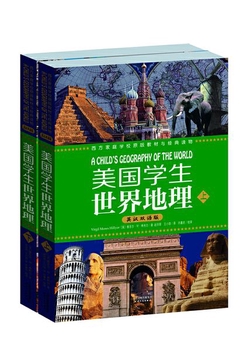
美國學生世界地理(英漢雙語版 上下冊)
維吉爾·M.希利爾
9738人在讀
53.3萬字總字數
¥3.99定價
維吉爾·M.希利爾
本書是寫給這樣的孩子:他認爲天堂在天上,地獄在地下;他從未聽說過倫敦或巴黎;他認爲丹麥人是一種狗……本書將呈現一個旅行者眼中的世界——但不是一個旅行推銷員眼中的世界。告訴孩子在地平線以外有什麼地方:從“卡拉馬祖到廷巴克圖”。書中不僅給孩子講“世界七大奇觀”,還要給他們講述七十倍於“七大奇觀”的故事。
這是一本英漢雙語的,以一個美國人的眼光介紹世界各地情形的書。一個人不可能完全脫離自身情況看待事物,但是可以多瞭解其他外國人的看法,來增加自己看問題的客觀性。世界公民一詞很早就有了,自認爲是世界公民的人,要麼是無奈,要麼是豁達,要麼就是太無奈了,只好選擇豁達。
讀家札記 | 《美國學生世界地理》:一部構建世界觀的啓蒙經典,一場跨越時空的紙上環球盛宴 維吉爾·M. 希利爾的《美國學生世界地理》從來不止是一本寫給孩子的地理讀物,它更像一座精心搭建的時空驛站,一場以故事爲舟、地圖爲帆、文明爲舵的環球啓蒙之旅。在那個信息尚不發達的年代,希利爾以教育家的遠見與文學家的筆觸,打破了地理知識的枯燥桎梏——他不用冰冷的詞條羅列山川湖海,不用生硬的數字堆砌經緯度,而是以親切如鄰的敘事口吻、鮮活如親歷的細節描摹、深植文明脈絡的知識架構,將散落的地名、陌生的疆域,轉化爲孩子心中可觸摸、可共情、可向往的世界圖景。那些文字裏,有海風的鹹澀、森林的清香,有市集的喧囂、聖殿的肅穆,更有不同土地上人類的生存智慧與精神信仰。 一、宏觀架構:三重維度交織的“世界認知圖譜”——從孤立信息到有機整體的認知革命 希利爾的高明之處,在於他從未將地理視爲“地名的集合”,而是將其看作一個動態、互聯、有機的生命體。他以三條相互交織的主線,爲讀者編織出一張立體而完整的世界認知網絡,讓孩子在理解“空間”“時間”與“文明”的關聯中,建立起真正的全球視野。 1. 地理與人文的相互作用(空間的維度):環境塑造文明,文明反哺土地 “地理是歷史的舞臺,也是人類活動的畫布”,這一核心思想貫穿全書始終。 希利爾從不孤立地講述地理環境,而是執着於揭示“環境-資源-技術-文明”的深層邏輯鏈條,讓孩子明白:每一種文明的誕生與發展,都與腳下的土地有着千絲萬縷的羈絆。 在講述賓夕法尼亞州的匹茲堡時,他沒有簡單標註“鋼鐵之都”的標籤,而是用孩子能理解的比喻闡釋其崛起的必然:“那裏既有豐富的煤礦,又有優質的鐵礦,就像有些男孩同時擁有球棒和球一樣,自然能打出精彩的比賽”。 正是這種得天獨厚的資源稟賦,加上工業革命時期的技術革新,讓匹茲堡從一片荒野小鎮成長爲支撐美國工業的核心城市,資源與產業形成完美閉環。 To get iron out of iron ore you must have heat, and to have heat you must have something to make heat with, like coal. Some places have iron ore but no coal, and some places have coal but no iron. It is as if some boys who wanted to play baseball had a ball but no bat, and some other boys had a bat but no ball.But Pittsburgh, in the western part of Pennsylvania, had both iron and coal near-by. That is like boys who have both a bat and a ball. From the ore they make iron, and from the iron they make steel, and from the steel they make rails for railroad tracks and beams for tall buildings and bridges to cross rivers. 再看威尼斯,這座“漂浮在水上的城市”,其命運早已與水、魚、鹽、沙子緊密相連。 希利爾細緻描摹了威尼斯人的生存智慧:他們以魚爲食、以鹽爲利,用隨處可見的沙子燒製玻璃,而精湛的玻璃吹制技藝,竟讓工匠們獲得了堪比王子的社會地位。 從依賴自然資源謀生,到將普通原料轉化爲珍貴商品,威尼斯的崛起正是人類適應環境、改造環境的生動寫照。 The Venetians made their living in the first place out of two commonplace things right at hand—fish and salt. That was the start of their fortune. There was also a great deal of another commonplace thing right at hand too—this was sand. Sand seems to have very little value, but the Venetians found out that they could make glass out of sand by melting it in a furnace with something else. They found out too that they could blow this melted glass as one blows soap-bubbles, and by blowing the glass in this way into different shapes they made wonderfully beautiful bottles, vases, beads, and drinking-glasses. The glass-blowers became as famous as any artist who could make beautiful paintings or beautiful music, and the glass-blowers made fortunes besides, for people everywhere sought their work and paid high prices for it. They were the most important people in Venice. A specially fine glass-blower was as important as the Doge himself—one glass-blower was made a Doge—and some of their daughters even married princes. 同樣,他講述埃及文明時,必會強調尼羅河的“饋贈”——每年定期的泛濫帶來肥沃的土壤,讓沙漠中誕生出璀璨的農耕文明;講述荷蘭時,會聚焦於“圍海造田”的壯舉,讓孩子理解“低地國家”如何在與海洋的博弈中,孕育出堅韌務實的民族性格。 這種將地理環境與人文發展深度綁定的敘事,讓孩子明白:沒有憑空產生的文明,每一種生活方式、每一座城市的興衰,都能在土地中找到根源。 2. 歷史探險與全球聯結(時間的維度):以腳步串聯過去,以貿易聯結世界 如果說空間維度是“靜態的地理”,那麼時間維度就是“動態的地理”。 希利爾以探險家的腳步爲線索,串聯起人類探索世界的壯闊歷史;又以“物的全球史”爲視角,讓孩子直觀感受到世界早已是一個相互依存的整體。 從哥倫布被稱爲“鴿子”的航海壯舉,到斯坦利穿越非洲腹地尋找利文斯通醫生的傳奇旅程,再到“四九年人”駕着大篷車、穿越荒野奔赴加利福尼亞淘金的熱潮,每一段探險故事都充滿了勇氣與未知,也讓孩子在驚心動魄的敘事中,理解世界版圖是如何在人類的探索中逐漸清晰的。 更令人讚歎的是,希利爾擅長用“普通物品”講述宏大的全球史,他寫道:“如果咖啡、可可粉、錫罐能說話,它們會講出多麼有趣的故事!” More coffee is shipped from Rio than from any other place i. t. w. W. , except another place on the coast of Brazil just south of Rio. This other place is called Santos. The cup of coffee your father drinks in the morning probably comes from either Rio or Santos. If coffee and cocoa could talk, and tin cans and asphalt streets and rubber tires, as such things do in fairy-tales, what tales they could tell of their homes and travels! 巴西的咖啡豆,從種植園裏的果實,到跨越大西洋的商船,再到歐洲人的早餐杯,背後是一條連接南美、歐洲、非洲的貿易鏈條,藏着殖民歷史、產業分工與文化交融;亞馬遜雨林的橡膠汁,曾是工業革命時期汽車輪胎、機器密封件的核心原料,它讓遙遠的南美雨林與北美工廠、歐洲市場緊密相連;新加坡的柚木,從東南亞的森林被砍伐、加工,再運往世界各地建造船舶、裝飾建築,見證了這座城市從漁村到“東方十字路口”的崛起;匈牙利的紅燴牛肉,看似是一道家常菜,卻融合了遊牧民族的烹飪技藝與歐洲的香料文化,是不同文明碰撞的味覺結晶。 這些“物”的旅行,讓抽象的“全球化”變得具體可感——原來我們身邊的每一件物品,都可能跨越山海,承載着不同地區的歷史與文化。 3. 世界遺產與多元文化(文明的維度):在差異中看見共通,在包容中理解世界 希利爾對文明的解讀,始終帶着溫情與尊重,他不渲染文明的衝突,更強調文明的共存、轉化與互鑑。在耶路撒冷,他沒有偏袒任何一種宗教,而是客觀描述這座城市如何成爲基督徒、猶太人與穆斯林共同的聖土——哭牆的莊嚴肅穆、聖墓教堂的信仰之光、圓頂清真寺的靜謐神聖,不同的信仰在這裏交織,卻共同構成了這座城市的精神內核。 The Moslems say Mohammed ascended into Heaven too, and not very far from the Church of the Holy Sepulcher is the place. Over this place the Moslems have built a building called the Mosque of Omar, though it really is not a mosque at all and was not built by Omar. It is much more beautiful than the Church of the Holy Sepulcher, however, and, indeed, some even say it is one of the most beautiful buildings in the World. It is built over the spot where the wonderful temple of Solomon stood. It is made of beautiful marble and tile and has a bowl-shaped dome. Underneath the Mosque of Omar is a huge rock on which oxen used to be sacrificed. On this same rock Abraham, so they say, was about to kill his son as he was ordered to do by the Lord, who wanted to test him, when an angel sent by the Lord stopped his hand. From this same rock Mohammed ascended to Heaven—so they say. The stone tried to follow him, but the archangel Gabriel held it back; and finger prints of archangels are shown you to prove the story true. Part of the Temple of Solomon is still standing. It is a piece of the foundation wall. Ever since the temple was destroyed Jews have gone there to weep and to pray that their country, which the ancient Romans took from them, would be restored to them. It is called the Wailing Wall. Jews lived in many countries but there was no Jewish country that they could call their own. After World War II, however, the United Nations voted to divide Palestine into two parts. One part, they said, should be for Jews and would be the country that Jews for two thousand years had prayed to have. The other part, the United Nations said, should be for the many Arab Mohammedans who lived in Palestine. So at last the Jews had a country of their own. They named it Israel. Israel is the part of Palestine on the east next to the Mediterranean Sea. The western part of Palestine became part of the Arab country of Jordan. Jerusalem, which is the holy city for both Mohammedans and Jews, was divided also. The western and newer part of Jerusalem belongs to Israel and the eastern and older part belongs to the Mohammedans. 在伊斯坦布爾(舊稱君士坦丁堡),他詳細講述了聖索菲婭大教堂的命運:從基督教的宏偉聖殿,到伊斯蘭教的莊嚴清真寺,新月取代了十字架,阿拉伯銘文覆蓋了部分基督教壁畫,但這些改變從未抹去歷史的層積。 如今,它作爲博物館向全世界開放,那些殘留的馬賽克鑲嵌畫與伊斯蘭裝飾,共同訴說着文明的更迭與包容。 One dark night many years ago an army was approaching Constantinople, but it was so dark the people in the city did not see it and did not know they were about to be attacked. Suddenly the moon shone out from behind a cloud. By the light of the moon the watchmen saw the enemy, sounded the alarm, and the city was saved. Ever since then the Turks have used the new moon on their churches as we do a cross and a new moon and a star on their flag, as these had brought good luck. A new moon is called a“crescent.” The Turks have a society, the same society as our Red Cross;but as a cross is a Christian sign, they don't use it, so they call their society the Red Crescent. One of the largest churches in the World was built in Constantinople before the Turks came. It was called the church of Holy Wisdom, which in Greek is Santa Sophia. Perhaps you may know a girl named Sophie. Well, she may be wise or she may not, but her name means wise. When the Turks captured the Christian city of Constantinople they changed Santa Sophia and all the other churches in the city to Mohammedan churches, which are called mosques, and they tore down the crosses on top of the churches and put up in the place of each a crescent. There are now over eight hundred mosques in the city. Finally not very many years ago they changed Constantinople's name to Istanbul. 希利爾也不迴避人類歷史上的衝突與黑暗,如十字軍東征、奴隸貿易,但他始終以客觀、平和的語氣敘述,引導孩子思考“爲何會產生衝突”“如何避免衝突”。 更多時候,他將筆墨用於描摹不同文化的獨特魅力:愛爾蘭因雨水豐沛、植被繁茂而被稱爲“綠寶石島”,那裏的人們對綠色的尊崇、對詩歌的熱愛,都與這片土地的氣質相得益彰;日本的“三猿”雕像(非禮勿視、非禮勿聽、非禮勿言),以生動的形象傳遞着古老的道德自律理念;蘇格蘭與阿爾巴尼亞的男人都穿裙裝,但蘇格蘭裙的格子圖案承載着氏族標識,阿爾巴尼亞裙的繁複刺繡則記錄着遊牧生活的痕跡;布拉尼石的“親吻”習俗、日本鳥居的神聖寓意、威尼斯嘆息橋的浪漫傳說、瑞士巖羚羊布的精湛工藝……這些文化符號不是獵奇的談資,而是希利爾引導孩子“看見差異、尊重差異、欣賞差異”的窗口,讓他們明白:世界的美好,正源於文明的多元共生。 二、敘事藝術:從“知識灌輸”到“探索引導”的昇華——讓孩子主動愛上世界的教育魔法 在教育理念尚停留在“填鴨式灌輸”的年代,希利爾早已踐行“引導式探索”的教育智慧。 他將枯燥的知識隱藏在引人入勝的敘事之中,用三大敘事技巧,讓孩子從“被動接受者”轉變爲“主動探索者”,在閱讀的愉悅中自然吸收知識、培養思維。 1. “旅行者”人設的沉浸感:消解權威,建立親密的對話關係 全書開篇,希利爾便卸下了“教育家”的架子,以一個充滿童趣的“旅行者”身份與讀者相遇:“現在我已是大人了,但我仍然想假扮一次列車長——就像我小時候最喜歡做的那樣!戴上帽子,吹響哨子,帶你登上一列穿越世界的列車,去看看那些遙遠而奇妙的地方!” 這種第一人稱的“嚮導”人設,瞬間消解了教科書的權威感與距離感,建立起一種平等、親密的對話關係。 “ALL ABOARD !” WHEN-I-WAS-A-BOY, my nurse used to take me to the railroad station to see the trains. A man in a blue cap and blue suit with brass buttons would call, “All aboard for Baltimore, Philadelphia, New York, and points north and east!” and wave his arm for the train to start. My nurse said he was a conductor. So when I went home I used to put on a cap and play conductor shouting,“All aboard for Baltimore, Philadelphia, New York, and points north and east!” over and over, again and again, until I was told, “For pity sake, stop it!” But some day I hoped, when I grew up, to be a real conductor in a blue cap and a blue suit with brass buttons. And now that I am grown up, I am still playing conductor, for in this book I am going to take you to Baltimore, Philadelphia, New York, and points north, east, south and west—round the World! 在後續的敘述中,他始終以“同行者”的姿態陪伴讀者:看到壯麗的自然景觀,他會由衷讚歎“你簡直無法想象,尼亞加拉大瀑布的水霧有多壯觀,站在旁邊,彷彿置身仙境”;遇到有趣的民俗,他會熱情分享“我曾見過埃及人如何用駱駝運送貨物,那些駱駝溫順又堅韌,就像沙漠裏的守護者”;面對複雜的地理現象,他會耐心引導“我們來想一想,爲什麼赤道附近總是那麼熱,而兩極卻常年冰雪覆蓋?其實答案就藏在太陽的照射方式裏”。 這種敘事方式,讓讀者不再是隔着書頁的“旁觀者”,而是與作者並肩同行的“旅伴”,每一次閱讀都變成一次身臨其境的探索,好奇心被不斷激發,對世界的嚮往也油然而生。 2. “故事力”激活認知錨點:讓抽象知識變得具象可感 希利爾在書中承諾,要爲讀者提供“七十倍於七大奇觀的故事”,而他真正踐行的,是“故事即知識”的教育理念,他深知孩子的認知特點——抽象的概念、枯燥的原理難以記憶,但生動的故事、鮮活的情節卻能成爲記憶的“錨點”,讓知識在腦海中紮根。 This book is for the child who: thinks heaven is in the sky and hell is under the ground; has never heard of London or Paris and thinks a Dane is a kind of dog. It is to give a traveler's view of the World—but not a commercial traveler's view. It is to show the child what is beyond the horizon, from “Kalamazoo to Timbuktu.” It is to show him not only “the Seven Wonders of the World” but the seventy times Seven Wonders of the World. When-I-was-a-boy in New England we had for Thanksgiving six kinds of pie: apple, peach, cranberry, custard, mince, and pumpkin, but I was allowed to have only two kinds and I never could make a satisfactory choice. I have had the same difficulty in selecting geographical places and subjects to tell about. There are too many “most important” places in the World to be included in this first survey, and there will inevitably be those readers who will wonder why certain countries and certain places have been omitted, especially the place where the reader may live. To me, as a child, geography was a bugbear of repellent names—Climate and Commerce, Manufactures and Industries, and products, PRODUCTS, PRODUCTS. It seemed that the chief products of every place in the World were corn, wheat, barley, rye; or rye, barley, wheat, corn;or barley, corn, rye, wheat. In my geography modern Greece had but a paragraph—because, I suppose, it did not produce wheat, corn, barley, rye. Geography was a “stomach” geography; the “head” and “heart” were left out. I loved the geography pictures and maps but hated the text. Except for an occasional descriptive or narrative paragraph the text was wholly unreadable—a confused jumble of headings and sub-headings and sub-sub-headings:HOME WORK,NOTES,MAP STUDIES,Suggestions to Teachers, Helps,Directions,Questions,REVIEWS,PROBLEMS,Exercises,Recitations, LESSONS, PICTURE STUDIES, etc., etc., etc. The World was an orange when I went to school, and there were only three things I can remember that I ever learned “for sure”—that the Dutch children wore wooden shoes, the Eskimos lived in snow houses, and the Chinese ate with chopsticks. 解釋美國“十三州”爲何能團結起來反抗殖民統治時,他沒有講述複雜的政治背景,而是借用了一個古老的寓言:“一位父親在臨終前,讓兒子們嘗試折斷一捆樹枝,兒子們費了九牛二虎之力也沒能成功;而當父親把樹枝解開,讓他們一根根折時,每一根都輕易被折斷了。父親說,你們就像這些樹枝,團結起來就能堅不可摧,分裂則會不堪一擊。” 這個簡單的寓言,讓孩子瞬間理解了“團結”的力量,也記住了美國獨立戰爭的核心精神。 Not so long ago there was no United States. There were only thirteen little States along the shore of the Atlantic Ocean. These States were so small they thought they ought to form a club. There is an old story about a man who wanted to break a bundle of sticks. He tried and he tried but he couldn't break the bundle. Then some one told him to take the bundle apart and break each stick separately; so he did, and broke them easily. The States thought that they, in the same way, might be broken easily if separate, so they tied themselves together like a bundle of sticks in order that they might not be “broken” by an enemy. And so the 13 States formed a 13 club and called themselves the United States. They took as their motto“In Union is Strength, ” which means “In one bundle we are strong.” 講述星期名稱的來源時,他沒有羅列枯燥的詞源學知識,而是追溯到古代北歐與羅馬的神話傳說:“星期一對應月亮女神,星期二是戰神蒂烏的日子,星期三屬於衆神之王奧丁,星期四是雷神托爾的主場,星期五源自愛神弗麗嘉,星期六是農神薩圖恩的節日,星期日則是太陽女神的慶典。” 這些充滿想象力的神話故事,讓原本抽象的時間概念變得鮮活有趣,孩子在聽故事的過程中,不僅記住了星期的名稱,還潛移默化地瞭解了古代文明的神話體系。 Long years ago the men of Scandinavia were fierce fighters, who drank a strong liquor called “mead” and used the skulls of their enemies for cups. They believed in fairy-tale gods and goddesses. Thor, they believed, was a god who made the thunder and lightning. Tiu was the god of war. So they named some of the days of the week after their gods; Tiu's day, Thor's day, Woden's day, Fria's day. Strange to say, four of the seven days of our week are still named after these Scandinavian gods, for those wild people who believed in those gods are the great-great-grandfathers of many of us. Tuesday is Tiu's day, Thursday is Thor's day, Friday is Fria's day and Wednesday is Woden's day—that's why we still have a “d” in Wednesday which we might forget in spelling, as we do not sound it now. Most people have forgotten that our week-days are named after heathen gods, but some think that we should not use such heathen names, so they use numbers instead of names for the days of the week, as in Bible times. 類似的例子在書中無處不在:用“地球的腰帶”形容赤道,用“天空的橋樑”描述彩虹,用“沙漠中的甘泉”比喻綠洲……希利爾用故事爲知識披上了華麗的外衣,讓孩子在閱讀的愉悅中,自然而然地吸收地理、歷史、文化等多方面的知識,這種“潤物細無聲”的教育方式,遠比生硬的灌輸更有效。 3. “提問-對比-聯想”的思維訓練:培養獨立思考與文化包容 希利爾的目標,從來不止是讓孩子“記住知識”,更是讓他們“學會思考”,他在書中巧妙設計了“提問-對比-聯想”的思維訓練鏈條,引導孩子主動探索、辯證看待世界,培養獨立思考能力與文化相對主義視角。 “提問”是他激活孩子思維的重要方式。 書中隨處可見這樣的問題:“你能猜到巴西人早餐桌上必備的東西是什麼嗎?”“爲什麼威尼斯人出門不走路,反而要坐船?”“北歐的冬天那麼寒冷,人們是如何生活的?” 這些問題不設標準答案,卻能激發孩子的好奇心與探索欲,讓他們帶着問題去閱讀、去思考。 而答案往往藏在後續的敘述中,當孩子找到答案時,會獲得滿滿的成就感,進一步強化閱讀的興趣。 “對比”則是他幫助孩子理解差異的核心方法。 他會將不同地區的文化、習俗、自然景觀進行對比,但從不評判優劣,只是客觀呈現“不同”:蘇格蘭男人的格子裙與阿爾巴尼亞男人的刺繡裙,都是各自文化的象徵,沒有高低之分;日本人全家共浴一池熱水,是基於“潔淨與親情”的文化傳統,而中國人對“共浴”的排斥,源於不同的生活習慣,沒有對錯之別;赤道附近的熱帶雨林終年炎熱多雨,動植物種類繁多,而極地地區冰天雪地,只有少數耐寒生物生存,這是自然環境的差異,而非“優劣”之分。 這種對比式敘事,讓孩子明白世界的多樣性,學會以包容的心態看待不同的生活方式與文化傳統。 “聯想”則讓知識形成網絡,實現舉一反三。 希利爾常常引導孩子將眼前的知識與生活經驗、已知內容聯繫起來:“當你喫到香蕉時,能不能想到它來自遙遠的熱帶地區?那裏的氣候如何?香蕉是如何運到我們身邊的?”“當你在地圖上看到山脈時,能不能回憶起我們之前講過的,山脈是如何形成的?山腳下和山頂的氣候、植被有什麼不同?” 這種聯想式思維訓練,讓孩子跳出孤立的知識點,學會構建知識之間的關聯,形成系統性的認知能力。 三、核心價值:通識教育的理想形態與全球公民素養的奠基——對抗碎片化學習的經典範本 在碎片化信息氾濫、功利化教育盛行的當下,《美國學生世界地理》的核心價值愈發凸顯:不僅是一本地理書,更是一部通識教育的經典範本,其傳遞的知識體系、視野格局與價值理念,正是當代教育中稀缺的“長期主義”素養,爲孩子成爲“全球公民”奠定堅實基礎。 1. 構建“關聯性知識體系”:拒絕“地名清單”,打造“意義之網” 希利爾最反對的,就是讓孩子死記硬背孤立的地名、河流、山脈,他認爲,地理知識的價值不在於“記住多少”,而在於“理解多少”——理解每個地名背後的故事、邏輯與情感,理解不同地理要素之間的關聯。 在這本書中,孩子學到的從來不是孤立的“里約熱內盧”或“奧斯陸”,而是一個完整的“意義網絡”: 提到里約熱內盧,他們會知道它因“一月河”得名,儘管這條河並不在一月氾濫,而是葡萄牙探險家的誤判;會了解這裏是巴西的文化中心,是狂歡節的發源地,更會明白咖啡從這裏出發,跨越海洋,成爲全球流行的飲品;提到奧斯陸,他們會記得它被稱爲“鯨喉深處”的地理特徵,會理解灣流的缺失爲何讓這座海港城市冬季封港,會知道這裏是挪威的首都,是維京文化的傳承地,也是諾貝爾和平獎的頒發地;提到印度,他們會將恆河與印度教的信仰聯繫起來,將泰姬陵與愛情故事聯繫起來,將咖喱與當地的氣候、物產聯繫起來。 這種“關聯性知識體系”,讓孩子不再是“知識的容器”,而是“知識的建構者”,他們在理解關聯的過程中,學會了邏輯思考、歸納總結,這種能力遠比記住幾個地名更重要,也能幫助他們更好地應對未來複雜的學習與生活。 2. 培養“有溫度的全球視野”:尊重差異,共情人類共同的命運 “全球視野”不是“知道世界上有多少個國家”,而是“理解不同國家的人們如何生活,尊重他們的文化與信仰,共情人類共同的喜怒哀樂”。 希利爾在書中傳遞的,正是這種“有溫度的全球視野”,他對每一種文化都充滿敬意,從不以“西方中心主義”的視角評判異文化:他讚美中國的長城“是人類歷史上最偉大的工程之一,凝聚着無數人的智慧與汗水”;他欣賞印度的種姓制度之外的民間文化“充滿了詩意與哲學思考”;他尊重非洲部落的圖騰信仰“是他們與自然、祖先溝通的方式”;他理解中東地區的宗教習俗“是當地人精神世界的支柱”。 這種描寫超越了獵奇與偏見,傳遞出一種深刻的人文關懷——無論膚色、語言、信仰如何不同,人類都有着共同的對美好生活的嚮往、對親情的珍視、對自然的敬畏。 這種“有溫度的全球視野”,能幫助孩子打破文化隔閡與偏見,培養包容、共情的品質。 在當今世界,衝突與分裂時有發生,而這種包容與共情,正是構建和平、共贏的全球秩序所必需的“全球公民”素養。 3. 踐行“做中學”的教育哲學:主動建構,讓知識紮根生活 希利爾是“做中學”教育理念的堅定踐行者,他深知,真正的知識不是來自書本的灌輸,而是來自孩子的主動探索與實踐體驗。 因此,希利爾在書中設計了大量簡單易行的動手活動,引導孩子將書本知識與生活實踐結合起來,在主動建構中深化理解。 The study of maps is interesting to almost all children. A map is like a puzzle picture—but new names are hard. And yet geography without either name or place is not geography at all. It is only fairyland. The study of maps and names is therefore absolutely essential and large wall maps most desirable. Geography lends itself admirably to research on the part of the child. A large scrap-book arranged by countries may easily be filled with current pictorial news, clippings from magazines and Sunday newspapers, and from the circulars of travel bureaus. There is a wealth of such scrap-book material almost constantly being published—pictures of temples in India, pagodas in China, wild animal hunts in Africa, parks in Paris—from which the child can compile his own Geographic Magazine. Furthermore, the collection of stamps offers a most attractive field, particularly for the boy just reaching the age when such collections are as absorbing as an adult hobby. 希利爾鼓勵孩子製作“世界地理剪貼本”:收集報紙、雜誌上關於不同國家的圖片、文章,按照大洲、國家分類粘貼,在整理的過程中鞏固地理知識;他建議孩子集郵:通過收集不同國家的郵票,觀察郵票上的建築、動物、人物,瞭解各國的文化符號與歷史典故;他引導孩子觀察身邊的“地理痕跡”:看看超市裏的水果來自哪個國家,看看硬幣上的圖案是否與地理、歷史相關,看看街道名稱是否蘊含着地理信息;他還鼓勵孩子在地圖上尋找印第安語命名的美國州名(如俄亥俄、明尼蘇達、愛達荷),通過追溯地名的來源,瞭解美洲原住民的歷史與文化。 這些動手活動,讓地理知識從“書本里”走進“生活中”,讓孩子從“被動閱讀”轉變爲“主動探索”。 在收集、整理、觀察、尋找的過程中,孩子不僅鞏固了知識,更培養了動手能力、觀察能力與探索精神,這種“主動建構知識”的方式,遠比死記硬背更高效、更持久。 四、教育啓示:爲何百年之後仍值得重讀?——在信息爆炸時代,迴歸常識與本質 《美國學生世界地理》誕生於20世紀初,彼時正值美國西進運動尾聲、全球化浪潮萌芽之際。 希利爾敏銳地意識到:一個現代公民,必須擁有超越本土的世界視野,才能適應日益互聯的世界。 如今,百年過去,世界發生了翻天覆地的變化——交通更加便捷,信息更加發達,全球化程度遠超以往,但與此同時,我們也面臨着新的挑戰:信息爆炸導致的“知識焦慮”與“意義匱乏”,碎片化學習造成的“認知割裂”,文化衝突引發的“偏見與對立”,功利化教育帶來的“短視與浮躁”。 而這部百年經典,恰如一劑對症的解藥,不追求“知識點的全覆蓋”,不迎合“應試教育的需求”,而是迴歸教育的本質——激發孩子的好奇心,培養孩子的思維能力,塑造孩子的健全人格。 教育不是“教孩子記住多少”,而是“激發孩子想去看看多少”;知識不是“孤立的碎片”,而是“關聯的網絡”;視野不是“知道多少國家的名字”,而是“理解多少種生活的可能”。 希利爾在書中諷刺過一位只花一小時遊覽羅馬的商人:“他走馬觀花地看完鬥獸場、梵蒂岡,就宣稱‘我已經瞭解羅馬了’。但羅馬不是一堆建築的集合,它是一部厚重的歷史,一種獨特的文化,一種生活的氣息。這是我說的‘看見’,還是僅僅‘路過’?” 這句話在今天依然振聾發聵——在這個“快節奏”“淺閱讀”的時代,我們是否也常常像這位商人一樣,“路過”世界,卻從未真正“看見”世界? Of course, the best way to learn geography is by travel but not like that of the business man who landed in Rome with one hour to see the city. Jumping into a taxi and referring to a slip of paper, he said: “There are only two things I want to see here—St. Peter's and the Colosseum. Drive to them as fast as you can and back to the station.” He was accordingly driven to St. Peter's. Sticking his head out of the window he said to the driver,“Well, which is this?” 《美國學生世界地理》給予我們的啓示,正是“慢下來”的智慧:慢下來閱讀,慢下來思考,慢下來感受。 真正的知識學習,不是“囫圇吞棗”的信息堆砌,而是“細嚼慢嚥”的理解與吸收;真正的世界視野,不是“走馬觀花”的獵奇,而是“深入肌理”的共情與尊重;真正的教育,不是“急功近利”的技能培訓,而是“潤物無聲”的素養培育。 在這個充滿不確定性的時代,孩子們需要的不是更多的知識點,而是一套理解世界的思維框架;不是更快捷的信息獲取方式,而是更深刻的認知能力;不是隨波逐流的浮躁心態,而是探索未知的勇氣與包容差異的胸懷。 而《美國學生世界地理》,正是爲孩子提供這一切的最好範本。 一扇通往廣闊天地的窗戶——讓好奇與包容,照亮一生的旅程 《美國學生世界地理》用童話般的純真包裹着嚴肅的文明思考,用列車長般的熱情點燃了一代人探索世界的渴望。 希利爾交付給讀者的,不止是一張標註着地名的世界地圖,更是一套理解人類如何在地球上棲居、遷徙、創造與共存的思維框架;他傳遞的也不止是地理知識,更是對世界的好奇、對差異的包容、對知識的熱愛、對生命的尊重。 百年歲月流轉,世界版圖幾經變遷,科技文明日新月異,但人類對世界的好奇、對美好的嚮往、對包容的追求,從未改變。 《美國學生世界地理》之所以能跨越時空,正是因爲希利爾抓住了教育的本質與人類的共性,像一扇永遠敞開的窗戶,讓每一位讀者都能透過它看見廣闊的天地、多樣的文明、共通的人性;這部經典更像一位忠實的嚮導,陪伴着孩子從童年走向成年,在人生的旅途中始終保持好奇、保持包容、保持熱愛。 Near the middle of the Pacific are the Hawaiian Islands, which still belong to the United States. In Hawaii are raised most of the pineapples we eat. Honolulu is the capital of Hawaii, and from Honolulu come some of the greatest swimmers. They spend much of their time in the water, and young boys and girls are able not only to swim like fish but to ride the waves standing on a board. The ukulele, which you probably have heard and seen, is a musical instrument with a Hawaiian name. When a visitor comes to Honolulu the Hawaiians throw garlands of flowers called lei over his head, and when the visitor leaves he throws the lei into the water so that he will return some day. There is one word the Hawaiians use very often; it is “Aloha.” It means“Hello, Welcome, Good-by, God bless you.” Aloha! 阿洛哈!——這聲夏威夷人的問候,是書中最溫暖的祝福,也是這部經典對每一位讀者的期許;不僅是“你好”的問候,更是“願你帶着好奇出發”的期許;不僅是“再見”的告別,更是“願你懷着收穫歸來”的祝福。 願每一位翻開這本書的讀者,都能在這場紙上環球之旅中,收穫知識、開闊視野、塑造品格;願這份對世界的熱愛與包容,能成爲照亮一生的燈塔,讓我們在人生的旅途中,永遠帶着“你好”的熱忱,奔赴每一片未知的土地,懷着“再見”的珍惜,珍藏每一次相遇的感動,心中永遠裝滿世界的迴響與生命的美好。
很多小故事寫的挺有趣,比如我們常說的壓死駱駝的最後一根稻草咋來的,一週七天爲什麼是Monday Tuesday Wednesday Thursday Friday…,講到中東,伊斯蘭教的時候,世界存在一個城市,世界上任何地方的人都不讓進入,除了伊斯蘭教信徒,它就是麥加,如果非信徒想混進去,被抓的話要關小黑屋六天,而且罰款幾千美金,這我還第一次知道(據說全球十幾億信徒,有生之年都要去一次麥加朝聖,導致每年去信徒都非常多,當地政府要限流,咋們甘肅地區也有很多人屬於回族,也有同樣的願望,但是由於政策限制,好多回族老人,很早就提出申請,到去世也沒排上號去麥加,很遺憾)作者在書中科普了很多這種小故事。 讀此書,跟着作者在世界地圖轉了一圈,但也不知道是作者不願意讓美國學生了解中國還是怎地,亞洲這塊沒怎麼介紹中國,着重介紹了日本,有點略顯不足了,不過還是推薦
也不知道爲什麼會讀這本書,也不深刻,也不具體,也不幽默,但就是稀裏糊塗看完了! 但有一點值得注意,全文竟然沒有提到東方最大的國家中國!當然這本書是很早以前寫的,但就算是上個世紀的讀本也應該涉及到中國啊? 哎。。。任重而道遠,一個國家的強大和強盛真的不是自己吹出來的,需要的借別人的口來宣揚和讚揚!
算是基本可以看懂的一本書,這裏的基本看懂是指不咬文嚼字,不管語法時態這些書上說的內容。對英語也有了另一種的感覺,他有另一種美感,這種美感不同與漢語卻有相似處,韻律,氣勢雖不一樣,但也一樣可以感受到。
這本書2012年出版。 特別好。中英文附圖。 非會員可讀89/858。 20260309 Jane 推薦。
This old geography book written by an American mainly lived in last century is worth to read. There are some interesting facts about the origins of many places in the world. You can also sense the older white man's previlge and arogant towards lots of things that he doesn't understand well. In many paragraphs, he mentioned Chinese people. He said 'many people live in different places are like Chinese people'. However, there is no paragraph delicate to Chinese people at all. Do you think the sensor department of China removed that part to avoid being judged? If so, what horrible things that could be in the book? Or this writer is a completely stupid arrogant while ancient man who doesn't know better. Those thoughts actually made this book more interesting than ever.
Ultimately, meet the end of it! Actually, compared to Geography books I have ever learned in junior and senior high schools, the book is filled with the introduction of cultural environment instead of natural's. And it is really interesting and reader-friendly as it is like communicating with a friend instead of taking lessons when you are reading.
這本書本身是寫得非常好的,唯一的缺點就是時代太久遠了,很多事情都已經發生了變化。有沒有類似的書,但是比較新的推薦推薦。請留言,謝謝。
從美國回來後,我在微信讀書上挑了一本地理書。每天上下班路上聽來覺得很有趣,便特意查了一下作者,原來是兒童教育家維吉爾·M·希利爾。雖然早就知道他寫過不少暢銷書,但沒想到緣分竟讓我在這本書裏與他相遇。於是,我跟着他的文字,開啓了一場難忘的四百多頁環球之旅。千萬別被書名限制了想象,這本書適合所有嚮往周遊世界的人。