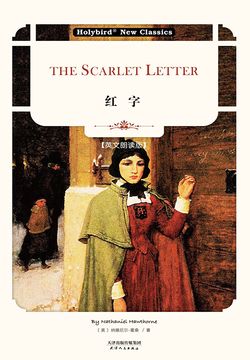
红字:The Scarlet Letter(英文朗读版)
纳撒尼尔·霍桑
4841人在读
39.9万字总字数
¥8.99定价
纳撒尼尔·霍桑
There could not be a more perfect work of the American imagination than The Scarlet Letter.— D. H. Lawrence "It is beautiful, admirable, extraordinary; it has in the highest degree that merit which I have spoken of as the mark of Hawthorne's best things—an indefinable purity and lightness of conception... One can often return to it; it supports familiarity and has the inexhaustible charm and mystery of great works of art."— Henry JamesThe Scarlet Letter is a work of historical fiction by American author Nathaniel Hawthorne, published in 1850, and was an instant best-seller. It is also one of the first mass-produced books in America.Set in Puritan Massachusetts Bay Colony during the years 1642 to 1649, the novel tells the story of Hester Prynne who conceives a daughter through an affair and then struggles to create a new life of repentance and dignity. The book explores themes of legalism, sin, and guilt.The Scarlet Letter was one of the first mass-produced books in America. It was popular when first published and is considered a classic work today. It inspired numerous film, television, and stage adaptations. Critics have described it as a masterwork and novelist D. H. Lawrence called it a "perfect work of the American imagination".
Hell is something you can unconsciously choose to carry around. This book from 170+ years ago still have a lot of inpirations, and readers can take so much away. The story telling revolves around the irony that, the criminal Hester, undergoing a series of consequences from the over-the-top denouement, is in fact more Christian than every other soul around her. From a historical point of view, this tale highlights the cruelty, hypocrisy and legalism that religion is capable of. However, thinking with the modern mindset, isn't wasting your life feeling guilty a bigger sin out there?!
《红字》是第一部以美国社会历史条件为基础,带有浓郁的美国乡土气息的小说杰作,也是美国第一部赢得世界声誉的作品。 为心中的爱愿意承受一切放逐的赫斯特,性格怯懦最后终于承认心中隐秘的爱的狄梅斯代尔,以及因为被背叛而寻求报复的奇林沃思,还有不谙世事纯真自由的珀尔,构成了这本《红字》。 奇林沃思和赫斯特之间有着婚姻关系。我们来看一下这段婚姻是多么地不匹配: 赫斯特五官端正、肤色红润,眉毛秀丽出众、眼睛乌黑深邃。她也显得雍容华贵,与那个时代的贵妇风度十分相称,还擅长针线活。 奇林沃思个头矮小,脸上布满皱纹,高低肩。 沉浸在钻研学问中的奇林沃思没有一点生气,喜欢看赫斯特富有光彩的温馨的笑颜,也借此说服赫斯特认为这样就是幸福。奇林沃思孤独、凄凉,想要借赫斯特的存在解除自己灵魂中的痛苦。他们之间的爱,是奇林沃思一厢情愿的强迫。 在赫斯特的心灵还不懂得什么是爱情的时候,奇林沃思却说服赫斯特想象自己在他身边是多么的幸福。这就是奇林沃思和赫斯特之间的婚姻:面对衰朽的另一半而埋葬了赫斯特的青春。 是的,对于清教徒来说,赫斯特是十恶不赦的:背叛了丈夫,与神职人员私通,生下私生子。但是对于人文主义者来说,赫斯特却是尊重人性,追求自由和爱情的先驱。 小说中并没有直接描写赫斯特是怎么和牧师狄梅斯代尔是怎么样产生爱情的,在故事的开头,我们便看到了承担出轨结果的赫斯特——在刑台上站三个小时,必须在余生中佩戴着象征通奸红字。面对这样的社会性死亡和他人的指指点点,赫斯特勇敢接受,直面来自他人的恶意。人们多少次想让她交代出私通的对象,她都只字不提。当奇林沃思接近狄梅斯代尔恶意报复的时候,她想要挽救狄梅斯代尔免于奇林沃思的伤害。全文没有从赫斯特的角度抒发狄梅斯代尔多么深刻真挚的爱情,这样一份爱,始终在赫斯特心中,她默默承受着一切的指责,尽己所能做善事,希望能减少自己私通带来的罪恶的后果。 相较于爱得勇敢真诚的赫斯特,狄梅斯代尔则显得懦弱退缩。赫斯特承担了全部的罪责、抚养孩子以及保护狄梅斯代尔,而狄梅斯代尔依然是受人尊敬的牧师。最后,无人之境的森林中相约出逃,让狄梅斯代尔似乎找到了生命的出口,重新焕发了生命活力。最后,他终于肯定了自己的恋情,并以死亡作为结束。 狄梅斯代尔之所以备受折磨,是因为不敢承认内心最真实的想法,他的行为和内心始终是背离的。而赫斯特却很舒展,她承担指责,直面人们的批判,她没有悔言。 “在一个更为光明的时代,世界对这一问题的看法定会变得成熟,上苍在适当的时候,定会揭示出一个新的真理,以便在更可靠的相互幸福的基础上,建立起男人和女人之间的全部关系。”爱,是为了让彼此相互幸福。 伊瑟尔说:“阅读的全部意义就在于,它使我们产生更深刻的自我意识,促使我们更加批判地观察自己的身份,这就好像是,当我们努力阅读一本书时,我们所‘读’的一直就是我们自己。”有谁能爱得像赫斯特一样?那是真正的无条件。
作为了解过去社会的途径还行吧😑 但不是很喜欢作者总是有大段大段的议论和看法🫣 故事本身比较简单 属于看了开头就知道结尾的那种🤭 推荐但是不强烈🤗
The scarlet letter itself is a powerful symbol, representing not only Hester's sin but also her strength and the community's moral failings.
The Scarlet Letter* by Nathaniel Hawthorne: 1. **Main Characters** - **Hester Prynne**: The protagonist, a woman condemned for adultery and forced to wear the scarlet letter "A" as a mark of her sin. She is strong, resilient, and compassionate, embodying both shame and grace. - **Arthur Dimmesdale**: The town's young, revered minister and Hester's secret lover. He struggles with intense guilt and inner torment but lacks the courage to publicly confess his sin. - **Roger Chillingworth**: Hester's estranged husband, a scholar who arrives in the colony and disguises himself as a physician. He becomes consumed by revenge and psychological manipulation, particularly targeting Dimmesdale. - **Pearl**: Hester's illegitimate daughter, a spirited and perceptive child who symbolizes both Hester's sin and her redemption. Pearl is often seen as a living embodiment of the scarlet letter. --- ### 2. **Major Themes** - **Sin and Guilt**: The novel explores the effects of sin on individuals and society, particularly through Hester's public shame and Dimmesdale's private guilt. - **Puritanism and Hypocrisy**: Hawthorne critiques the rigid moral code of Puritan society, highlighting its hypocrisy and harsh judgment of others. - **Isolation and Alienation**: Hester is ostracized by the community, while Dimmesdale isolates himself emotionally and spiritually due to his guilt. - **Identity and Redemption**: Hester transforms the meaning of the scarlet letter "A" over time, reclaiming her identity and finding redemption through her actions and strength of character. - **The Nature of Evil**: The novel examines how evil manifests, whether through sin, revenge (Chillingworth), or societal judgment. --- ### 3. **Symbolism** - **The Scarlet Letter "A"**: Initially a symbol of adultery, it evolves to represent "Able" or "Angel" as Hester's actions redeem her in the eyes of the community. - **Pearl**: She symbolizes both the consequence of sin and the possibility of renewal and hope. - **The Forest**: Represents a space of freedom and natural law, contrasting with the strict rules of Puritan society. - **Light and Darkness**: Light often symbolizes truth and revelation, while darkness represents secrecy and hidden sin. --- ### 4. **Plot Highlights** - Hester is publicly shamed and forced to wear the scarlet letter after giving birth to Pearl out of wedlock. - Chillingworth arrives and secretly vows to discover the identity of Hester's lover. - Dimmesdale's health deteriorates as he struggles with his guilt, while Chillingworth psychologically tortures him. - Hester and Dimmesdale meet in the forest, where they plan to escape together, but Dimmesdale ultimately confesses his sin publicly before dying. - Chillingworth, deprived of his revenge, dies shortly after, leaving Pearl an inheritance. - Hester returns to the colony years later, continuing to wear the scarlet letter voluntarily and living a life of quiet dignity. --- ### 5. **Literary Significance** - *The Scarlet Letter* is considered one of the first great American novels and a cornerstone of American literature. - Hawthorne's use of symbolism, psychological depth, and exploration of moral complexity influenced later writers. - The novel is often studied for its critique of Puritanism and its exploration of human nature, sin, and redemption. --- ### 6. **Key Quotes** - "On the breast of her gown, in fine red cloth, surrounded with an elaborate embroidery and fantastic flourishes of gold thread, appeared the letter A." - "No man, for any considerable period, can wear one face to himself and another to the multitude, without finally getting bewildered as to which may be the true." - "She had not known the weight until she felt the freedom." --- ### 7. **Historical Context** - The novel is set in the 1640s but reflects Hawthorne's concerns about the lingering influence of Puritanism in 19th-century America. - Hawthorne's own ancestors were involved in the Salem witch trials, which influenced his critical view of Puritan society. --- *The Scarlet Letter* remains a timeless exploration of human morality, societal judgment, and the possibility of redemption. Its rich symbolism and complex characters continue to resonate with readers today.
2020年5月5日星期二★The Scarlet Letter★ ★红字★这本书和C.S.Lewis的纳尼亚传奇系列英文朗读版那本书都是我今天早晨醒来睁眼打开微信读书软件里面的推荐阅读里面自动弹出来的,我看了一下阅读时长,这本书我以前应该阅读过,因为已经有6个多小时的阅读记录,刚刚我去听书,只是为了练习英语听力,没有想要写书评。但今天早晨我刚好写到了十诫的第七条诫命不可奸淫的笔记,我就突然下意识的想起来红字的剧情,那个大写的A字就是奸淫的英文。所以写完了笔记,我就打算写写书评。 在那么多世界名著里面,★红字★这本书对我有很特别的意义,因为我清楚记得我去年考研复试的时候,面试官就问了我这部作品。 我考世界文学这个专业,意味着要读很多世界名著,才能应对考官的刁难。我当时也不知道考官要问我哪一篇世界名著,在自我介绍完以后,老师们了解我从小就是基督徒,所以刻意问了一些与宗教有关的作品,老师先问了简单的圣经四福音是哪几卷书,然后让我用英文评论了一下圣经四福音里面浪子的比喻那个故事里面大儿子,小儿子与父亲。再接着就是问了我霍桑的★红字★这本书,因为霍桑是一个清教徒,他写得很多作品会涉及人内心的罪,红字就算他作品中经典中的经典了。 Adultery就是奸淫的意思!这也是红字里面很核心的单词。在我刚刚写的笔记,圣经的价值观里面不可奸淫不只是表面这四个字那么简单,里面有很丰富的内涵。上帝为我们的婚姻设立界限,所有婚外性行为都是有罪的,所有未婚者之间的性行为也是有罪的,在这个如此开放的时代,尤其美国性解放运动,好像一切行为都是合理的,只要自己快乐就好了在这个娱乐至死的时代,我们再不悔改,可不只是2020年这场死了几百万人的瘟疫了。 我刚刚搜了一下与红字有关的论文,看到下面一段话: 《红字》中的关键意象——字母“A”与新英格兰的殖民史相关,但故事中海丝特佩戴“A”字的时间与史实略有出入,显然,霍桑在这点上“有节制地”利用了他所说的“自由度”。他在1838年发表《恩迪科特与红十字》(“Endicott and the Red Cross”)时就已知道:根据1649年在塞勒姆生效的法律规定,犯有通奸罪的妇女必须在衣服上缝上一个醒目的大写“A”字。1649年这一时间点与《恩迪科特与红十字》的背景1694年显然不吻合,与《红字》的背景1642—1649年也不甚相符,因为海丝特被罚戴“A”字的时间是1642年,但霍桑有可能受到十九世纪早期门戴姆太太(Goodwife Mendame)一案的影响——当时她被判在袖子上戴上字母“AD”,或者霍桑一反常态,随意利用了历史的记载。 在以前教会传统里面,犯罪的人或许真的会带着罪的羞耻感活一辈子,霍桑红字里面就这样描写那些吃瓜群众的,他们就是要那些犯罪的人公之于众,然后一直羞辱他们。但耶稣基督带来的福音是可以赦免我们人类一切的罪恶的,无论我们以前多么悖逆,以前多么污秽,在耶稣基督的宝血里面,我们都能被洗干净。只是前提,我们愿意接受他的救赎吗?他给了我们自由选择的意志,我们到底想要怎样的未来,有的人从来觉得自己没有犯过罪,但以上帝的律法,眼睛看见女人就有淫念的,那就是犯奸淫罪了,我们谁能保证自己一辈子的心思意念都是纯洁的,没有骄傲,没有嫉妒,没有贪婪,上帝的法律,犯了一条就是犯了众条。所以我们每个人真的都是罪人,我们可能没有像红字里面海斯特那样被要求戴着一个红字,但在看不见的领域,上帝真的知道我们犯了多少罪,我们得佩戴多少罪恶的标签。所以还是希望回归信仰,我们人类需要耶稣的救赎,灵魂的救赎。 《海德堡教理问答》的第 109 问 问:第七条诫命是否只是禁戒淫乱以及这类的大罪?“ 答:因为我们的身体 和灵魂都是圣灵的殿,上帝便吩咐我们保守二者纯全圣洁;因此,祂禁戒一 切淫乱的行为、姿态、言语、思想、欲望,和一切足以诱导淫乱之事。 神的旨意就是要你们成为圣洁,远避淫行; It is God's will that you should be sanctified: that you should avoid sexual immorality; 要你们各人晓得怎样用圣洁、尊贵守着自己的身体, that each of you should learn to control his own body in a way that is holy and honorable, 放纵私欲的邪情,像那不认识 神的外邦人。 not in passionate lust like the heathen, who do not know God; 圣经「和合本 vs NIV」1Thess4:3-5 【红字】霍桑 1 不过,在人性里,却还有一条既惊人而又慈悲的成规,受难的人在受苦的当时,从不会明了那有多么的剧烈,倒是事后的绞痛叫他最难堪。 2在那凄凉古老的时代里,鄙俗的人们对于使他们的想象发生兴趣的事,总是赋予它一种古怪的恐怖。 3 人类的秉性,除去自私心特别活跃时意外,爱总是比恨来得容易。恨,倘非原有的敌人继续受着新的刺激外,经过逐渐平静的发展,甚至都可以转变为爱。 4 公众在气质上是专横的; 一般的公道,当过份作为一种权利来要求时,人们就会拒绝;但是如果按照一般暴君所喜欢的那样,完全听凭他们的宽宏大量,倒时常可以得到超过普通应得的报偿。
几个月以前看过电影《红字》,电影和原著不完全一致。本科的时候学过节选,但是因为与我考研无关,我没怎么学🙄,记得老师讲过当时出轨算罪过,这跟我想象中的英美国家不太一样,我以为英美国家一直都很开放,尤其是在性上。后来老师讲到英国一些清教徒为了躲避教会的迫害,乘坐“五月花”号到北美大陆,跟印第安人厮杀,争夺领地,才有了后来的美国🇺🇸。 我记得当时学节选段落的时候就有很多疑惑,比如天主教跟清教什么关系?教义的差别大吗?为什么大家对女主生了别人的孩子反应这么激烈?如果在中国顶多邻居说三道四,不至于上断头台,不至于上法庭吧。通奸在中国历史上算犯罪吗?为什么英美国家现在对于出轨、对于性如此开放,P站如果在中国建立肯定算淫秽色情网站,肯定得被禁了,说不定网站创始人还会坐牢,为什么在加拿大就可以创立?为什么传播淫秽色情书籍判10年,但是强奸只判两年,垃圾王振华猥亵儿童居然可以不坐牢!!!有钱真是可以为所欲为啊!外国人对宗教的态度也令我好奇,信仰又不会写在脸上,挂在嘴边,别人怎么知道女主是清教徒?不信基督教有什么后果吗?可以自愿放弃宗教信仰吗?那时候有流产手术吗?有避孕药吗?中国古代不是可以打胎吗?欧洲国家以前有打胎药吗?为什么女主明明知道生孩子后果很严重,小孩成长会受到影响,为啥不去打胎? 种种疑惑反映了我基础知识的短板,比如美国历史,基督教的历史和教义等等。读完《光荣与梦想》差不多让我了解了从经济危机到1970s左右的美国历史,里面有提到性解放的运动和思潮。 目前我还有几个问题需要读书去了解。1、东西方对性的态度差异是什么?造成这种差异的原因是什么?2、为什么在日本出轨是一件正常的事情?看《罗生门》、《菊与刀》、渡边淳一的书,日本人在不同时代,性观念发生了哪些变化?为什么现在在日本男性出轨是一件正常的事情?为什么日本表面上给人的印象是彬彬有礼、谨小慎微,但是却有大量的AV女郎,日本政府对于色情片的态度是怎样的?会有分级制度管理黄色视频吗?3.欧美国家对性的态度发生了哪些变化,发生这些变化的原因是什么?4.避孕套发明以前,人们怎么避孕的?来大姨妈的时候没有卫生巾,用什么代替? 读这本书,我先入为主的思想导致我理解不了女主对于牧师的爱情。我觉得这俩人很自私,不为孩子的成长着想,光想着爱情了。
从图书馆借了此书,历时两个小时读完。 本文讲述女主人公Hester Prynne海斯特.白兰夫人从监狱之门出来,站在绞刑台上,抱着一个婴儿,胸前戴个A字,当时波士顿最年长的牧师John Wilson要求白兰夫人的牧师Minister Dimmesdale劝白兰夫人说出女儿Pearl珠儿的生父是谁,由于白兰夫人宁死不屈,受当时清教主义的迫害,需要一直佩戴A字,作为罪恶的象征。人群中有位身材矮小,非常老相,左肩畸形,曾在英格兰学医,研究印第安人草药的老男人Roger Chillingworth是白兰夫人的前夫,但是却向别人打听站在绞刑台上的女人是谁。在大家冷嘲热讽中,白兰夫人和这个老男人注意到了彼此。老男人罗杰.齐灵渥斯要求白兰夫人不要透露自己是她的丈夫,白兰夫人照做了。人们只知道白兰夫人的丈夫是位学识渊博的人,白兰夫人先丈夫两年前来到这里,但是两年后丈夫没来,白兰夫人一年后生了一位女儿,所以大家都好奇她的“奸夫”是谁。白兰夫人很善良,带领珠儿来到一个小城镇,凭借自己精湛的缝纫技术挣了不少钱,虽舍不得花钱在自己身上,但给女儿做漂亮的衣服,捐钱给穷人,帮助穷人修补衣服,然而这些受益的人根本不领情,生活中该对她谩骂还是谩骂。有一天,白兰夫人来到Governor Bellingham贝灵汉总督府送衣服,突然发现两个牧师和前夫都在,老牧师说应该把珠儿送给一位清教徒代为领养,因为白兰夫人“不够格”,但最终在总督的一番见解下大家同意把珠儿继续留在白兰夫人身边。珠儿是一位行为野性和表情怪异的活泼可爱的人,经常跑去小树林玩耍,因为没有小朋友陪她玩,所以自己总是假想在和一群小朋友玩耍,并把一些邪恶的东西赋予在这些小朋友身上。老男人此行目的是为了报复白兰夫人,以及她那位不为人知的男人。当他得知Dimmesdale牧师是珠儿的父亲时,以医生的身份守候在牧师身边。刚开始牧师与他交心,随着自己心中慢慢有所芥蒂以及白兰夫人告知他医生曾是她的前夫,要远离医生时,他们的关系慢慢疏远,医生的面目也越来越丑陋狰狞。因为牧师心中一直都怀有愧意,但当自己每次要把心中的秘密说出来时,自己在民众心中的地位越来越高,而且因为医生一直在身边暗示这份难以言喻的秘密时,牧师的心思越来越沉重,身体也越来越差。当他最后下定决心带领白兰夫人和珠儿离开这座城市时,在上船前从船长那得知医生也要同行,这一次,他勇敢地走向绞刑台,将这份秘密告知天下,并亮相出自己绣在胸前的A字,随之去世了。不久之后,医生也去世了,将自己的财产留给了珠儿。若干年后,珠儿去欧洲过上了令人向往的幸福生活。白兰夫人又重回这座小镇,因为只有在这她能找回属于自己的感觉。 “A”从私通(adultery)到天使(Angel),才能(Able)到海斯特非凡的勇气和象征。 小溪的这头是现实,另外一头是极乐世界。 白兰夫人去世后,和牧师的坟墓安葬在一起。小说也由此结束了。 霍桑善于写善与恶,但是拒绝罪恶对人性的摧残,sin educates,人可以从罪恶中解放出来。
When I talk about the holiest things I degrade it to be served for my vilest purposes. I wanted to make you feel the beauty of faith, and you wanted to protect yourself. I am too lonely that I even attempted to convert you to be a Christian, to gain a partner, thus in fact I was taking advantage of the holiest Words to assuage my pang of solitude. And you said that it seems we are all separated apart in this society. Maybe that is the reason, that blinded by our own desires, our hearts can never be seen, nor being solaced by understanding. I confess, in order to love, I performed hatred; in order to be holy, I became perverted; in order not to wander no more, I roamed further; in order to escape from solitude, I am sunk deeper into the loneliness. Love, friendship, or even a chaste faith, are fair things, yet what is the most desperate is that to pursue the purest of the pure I besmirch them to be the vilest. How beauteous our will, yet how filthy and grotesque our nature is, which is against our ethereal will. And that is what makes my life most torturous. And whilst you attempt to commit suicide to end it all up, the Bible says the hell, slumberless but infused with dreams of groaning, is the same as what I am experiencing. Death is too definite to be wished for or rejected. In lethargic gait I wandered through the abominable life, seeing no reason to take one step further, yet keeping rambling, stumbling... For myriads of times I wished to lie down to be with the corruption of the soil which absorbs the shivering, amongst the winds, of lives of fallen leaves, and to exist no more. O how fair our will, O my Lord, but how detestable our nature is! To worship you I am sinning against you! To pursue you I am completely digressed from you! To love I love not, and to be not lonely I seclude myself from heaven and the world! I wish according to my will but act according to my nature. At that time, to praise your deeds and accomplishments for us I concealed my perverse heart in such a saintly attire. At that time I was not a Christian! For as a Christian, even though I ranted about Christ’s salvation all the time I remembered it not; even though I praised your salvation I cherished it not! As a follower of Christ, I follow Him merely to obtain the perishable victual to satiate my greedy appetite. I am not a Christian! I had never felt so alone, my Lord, and so forlorn. Suddenly you spoke unto me: “Have you remembered?” “What? Of course, of course! Having forgotten it is what makes me anguish!” “But have you really? If so, then what is it.” I am a sinner who is imputed as righteous by Him. I am a sinner who is raised up by Him from the swamp of iniquities. I am a sinner who is coronated as His prince. I am a sinner who becomes His beloved son. I am a sinner for whom he splits the red sea apart and crumbles the icebergs to make a way. I am a sinner for whom He died on the cross. And I, who am a sinner and forget what He has accomplished for me, am forgiven, By His eternal mercy. O my Lord, your Words are merciful! I was once lost in the valley of sorrow in which I knew light yet sought out not. It is your light of Words that, alike the smile of heaven, gushes from the crevices on the firmament, shining upon my darkness of despair! I remember now! I remember that no matter how obnoxious I am, Your mercy is more! No matter how sinful I am, Your sacrifice is mightier! In this corporeal life I can never obtain the holiness which exists in my will, yet in the spiritual life You bestow it to me abundantly! In the valley of sorrow I seek my beauty and righteousness in vain, yet You cast your righteousness upon me! You have given everything to me! I remember now. This is all I can say. Above are recorded thoughts during my 19th birthday. Inspired by <The Scarlet Letter>, I wrote about all of it, though its content does not directly associate with that of the book. This evanescence of His grace I view as my birthday gift from Him, by which he declares, and I more staunchly believe: I am His beloved son, and He will never give me up.
《红字》(The Scarlet Letter)是19世纪美国作家纳撒尼尔·霍桑的代表作,以17世纪清教殖民时期的波士顿为背景,通过女主人公海斯特·白兰因通奸罪被强加“红字A”的悲剧故事,探讨了人性、道德、宗教压迫与救赎等深刻主题。以下是其核心要义及现实意义的分析: 一、核心要义 1. 宗教压迫与个体自由的冲突 小说中清教社会的严苛教条成为压抑人性的工具。海斯特因通奸被公开羞辱,红字“A”不仅是通奸(Adultery)的象征,更是社会对个体道德审判的具象化。霍桑批判了清教社会对私生活的过度干预,揭示了宗教权威对个人自由的压制。 2. 罪恶、羞耻与救赎的辩证 红字“A”的象征意义随情节发展而演变:从最初的“通奸”逐渐转化为“能力”(Able)、“天使”(Angel),甚至“艺术”(Art),暗示海斯特通过善行与坚韧实现了自我救赎。而牧师丁梅斯代尔因隐藏罪恶而备受精神折磨,最终在公开忏悔中获得解脱,对比凸显了直面罪恶的必要性。 3. 人性的复杂性与道德模糊性 霍桑通过人物塑造打破非黑即白的道德判断。海斯特的叛逆与善良、丁梅斯代尔的懦弱与良知、齐灵渥斯的复仇与自我毁灭,均展现了人性的多面性。红字“A”本身也被赋予多元解读,象征了道德评判的主观性与不确定性。 4. 象征主义与心理描写的艺术成就 霍桑被称为“美国象征主义之父”,小说中监狱、玫瑰丛、森林等意象均承载深层寓意。例如,森林象征人性的自然与自由,与清教社会的压抑形成对比;丁梅斯代尔胸口的“A”烙印则暗喻精神枷锁。心理描写细腻展现人物的挣扎,奠定了美国心理分析小说的基础。 二、现实意义 1. 对现代社会道德审判的警示 海斯特的“红字”可类比当代社会的标签化现象,如网络暴力、职场污名化。小说提醒人们反思集体道德审判对个体的伤害,呼吁对“罪与罚”的评判更具包容性。 2. 个体反抗与自我实现的力量 海斯特通过刺绣技艺自立、投身公益,将耻辱符号转化为能力与尊严的象征,展现了逆境中自我重塑的可能性。这对现代人面对社会偏见或身份危机具有激励意义。 3. 隐秘与公开的伦理困境 丁梅斯代尔的秘密与公开忏悔,映射了现代社会隐私权与公共责任的冲突。例如,公众人物的私德问题是否应被无限放大?小说启示人们平衡个人良知与社会期待的重要性。 4. 文化符号的再诠释与生命力 红字“A”从宗教符号到艺术象征的演变,体现了文化意义的流动性。当代艺术与文学中,类似符号(如泰勒·斯威夫特歌曲中的“Scarlet Letter”)常被赋予新内涵,反映禁忌之恋或反抗精神。 结语 《红字》不仅是一部关于清教社会的历史寓言,更是对人性永恒困境的深刻探索。其通过象征主义与心理剖析,揭示了道德压迫的荒诞性,并歌颂了人性在苦难中的韧性。在当今社会,它依然警示人们警惕集体暴力,鼓励个体在困境中寻求救赎与超越。正如霍桑所暗示的:“最黑暗的污点之下,也可能绽放出人性的光辉。”