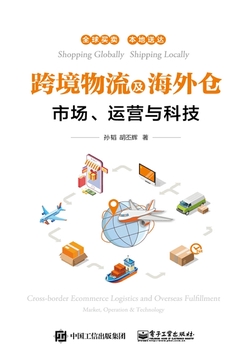
跨境物流及海外倉:市場、運營與科技
孫韜 胡丕輝
8499人在讀
18.2萬字總字數
¥53.4定價
孫韜 胡丕輝
本書圍繞“全球買賣、本地送達”的中心主題,闡述跨境電商領域的熱點話題,從不同視角對跨境電商的物流支撐進行分解,偏重於跨境物流的實際運作,兼有市場分析和運營實務,尤其是講述科技應用對物流的引領作用。 本書共有九章:第1章介紹跨境電商物流市場。第2章講述跨境進口物流渠道。第3章介紹出口直郵物流。第4章講述境外清關及配送。第5章介紹保稅物流,包括監管制度體系、業務場景、退免稅、物流地產及綜保區倉儲等內容。第6章介紹海外倉建設運營,當前海外倉發展的市場動因及運營方式。第7章介紹電商平臺物流。第8章介紹物流科技賦能,數字化、智能化、電商化等戰略讓很多創業型物流企業正在贏得先機。第9章講述決勝跨境物流旺季。
第一部分:市場結構與核心模式 1. 產業全景與挑戰 核心矛盾:跨境電商的信息流、資金流已線上化,但物流仍需線下長鏈條完成,導致時效、成本、透明度是主要痛點。 產業鏈角色:涉及託運人、承運人(航司/船司)、貨運代理、報關行、倉儲服務商、尾程派送商等多方。 發展趨勢:從粗放發展進入集約化、提質增效階段。海外倉是實現本地化、提升體驗的關鍵節點。 The primary challenges facing European and American couriers include sluggish market growth, saturation in the business parcel sector, and the rise of e-commerce. Their collective strategy centres on vigorously developing international express services, supply chain solutions, and cost-effective land freight: "enhancing air freight efficiency, increasing land freight volumes, and integrating supply chains.原文:歐美快遞商的主要痛點是市場增長緩慢、商務件市場飽和、電商崛起,而大家的策略都是大力發展國際快遞、供應鏈和陸運經濟件:“空運提效、陸運增量、供應鏈整合”。 The express delivery industry exhibits significant "network effects + scale thresholds." Establishing a cross-regional service network requires substantial upfront investment, with average revenue and costs per package remaining relatively stable, necessitating a sufficient scale of business volume to sustain operations. 快遞業存在顯著的“網絡效應+規模門檻”,要建立跨地域的服務網絡,前期投入巨大,包件平均收入和成本基本穩定,需要足夠規模的業務量支撐。 Step 1: Understand the Client’s Key ConcernsIdentify and prioritize the client’s primary focus areas: Logistics provider selection Network planning Operational management authority Step 2: Develop a Tailored Proposal (Proposal)Draft a comprehensive proposal that directly addresses the above concerns, emphasizing strategic alignment, operational control, and partnership transparency. Step 3: Design the Integrated Solution (Solution)Create a customized logistics solution based on data-driven insights, including: Warehouse layout and location strategy Labor planning and productivity benchmarks SKU complexity and handling requirements Shipment volume profiles Delivery node density and service coverage Step 4: Conduct Assumption-Based Operational ModelingPerform scenario analysis using realistic assumptions to evaluate: Required workforce size and structure Warehouse capacity and throughput Impact of SKU variety on fulfillment efficiency Scalability under varying shipment volumes Optimal routing and last-mile delivery design Step 5: Establish Pricing Strategy Linked to Business DynamicsAnalyze the interdependencies among: Scope of services Fluctuations in shipment volume Cost structure (fixed vs. variable)Then design a pricing model that reflects actual business activity and shared risk. Step 6: Formulate a Differentiated Commercial OfferTo stand out from competitors, propose one of the following innovative pricing approaches: Tiered Volume-Based Pricing: Unit costs decrease as shipment volumes increase, incentivizing growth while controlling costs. Hybrid Fixed + Variable Model: Combine stable baseline fees (covering infrastructure and core team) with performance-linked variable charges, enabling mutual risk-sharing. This approach enhances reliability and demonstrates technical sophistication—key competitive advantages. Step 7: Prepare a Detailed RFQ ResponseCompile all elements into a structured response to the Request for Quotation (RFQ), clearly articulating: Solution design rationale Operational assumptions and validation Pricing methodology and transparency Value-added differentiators (e.g., technology platform, service reliability, flexibility) Step 8: Outline Implementation Roadmap (Roadmap)Provide a phased rollout plan, including: Discovery & final design (Month 1) System integration and facility setup (Months 2–3) Pilot launch and KPI validation (Month 4) Full-scale deployment and continuous optimization (Month 5 onward) Step 9: Highlight Competitive AdvantagesEmphasize strengths that surpass competitors: Reliability: Proven track record of on-time performance and service continuity Technology: Advanced TMS/WMS, real-time visibility, AI-driven forecasting and routing Partnership Mindset: Flexible commercial terms built on trust, transparency, and shared success 項目管理的完整步驟:根據客戶關注的問題(物流選擇、規劃和運營管理權限),編寫建議書(Proposal),製作出解決方案(Solution)、主體設計及路線圖(Roadmap),詳細準備針對客戶報價邀請(RFQ)的答案,最好能突出優於競爭對手的亮點,如可靠性、技術性。對所收集的數據進行假設分析,評估人力、倉庫、SKU、發運量及路線點等運營設計,測算業務範圍、貨量變化與報價體系之間的關聯。例如,爲了控制項目風險,報價模式採用按實際業務量相關的階梯波動計價,或在熟悉彼此需求的基礎上,結合固定及變動成本制定總體費用,互擔風險。 合同物流項目的開發、實施與運營。每當簽下一份合同,3PL都會有詳細的商業條款,條款裏會提及所需要的服務水平承諾,物流商要按照此標準制定合適的標準操作流程(SOP),有時SOP主流程也會成爲合約的附件,項目操作團隊按此流程執行。通常由售前(BD)或客戶經理(KA)應對客戶的一手需求,如表1-19所示,項目經理或行反覆測試,以確保在運營的關鍵時刻不掉鏈子。例如,售後、宅配等需要面對消費者的項目,相對難以處理,需要特殊客服團隊,對快遞商的質量控制管理有時難以觸及。產品經理(PM)組織關鍵的實施步驟及計劃清單,雖然前期涉及職能部門較少,但在這個階段中會把參與過程落實到細節。如果在商務階段承諾了過多的個性化要求,則可能會讓項目的實施投入過大。優秀的3PL必定是有科技能力的物流公司,以信息技術爲組織工具,以數據爲優化驅動力,連接上下游資源,實現解決方案輸出。不同的項目可能SOP差異較大,甚至項目團隊需要有一套獨立的管理體系,在項目上線時必須對整個流程進行反覆測試,以確保在運營的關鍵時刻不掉鏈子。例如,售後、宅配等需要面對消費者的項目,相對難以處理,需要特殊客服團隊,對快遞商的質量控制管理有時難以觸及。 物流企業需警惕“用服務創新掩蓋成本失控”的陷阱,真正的差異化應源於技術驅動的效率提升與資源集約化,而非廉價服務堆砌。Logistics companies must be wary of the trap of "using service innovation to mask cost overruns." True differentiation should stem from technology-driven efficiency improvements and resource consolidation, not the accumulation of cheap services.原文:在成本與市場的雙重壓力下,物流企業稍有起色便會提出增值服務的概念,搞點特殊服務、廉價的過度服務,表面上看似在尋找差異化,實質無異於將自己置於一個更加被動的處境。 2. 主要物流渠道對比 國際商業快遞 (DHL, UPS, FedEx): 特點:直營網絡,時效最快,價格最高。擅長文件、高價值急件。 趨勢:面臨商務件市場飽和,正向國際快遞、供應鏈解決方案、經濟陸運件轉型。 國際空海運: 海運:承載90%以上貿易量,成本最低,適合大批量、重貨、對時效不敏感的商品。 空運:時效快於海運,成本較高。分爲僅限貨機(CAO) 和可客貨機(PAX) 運輸。 跨境專線:針對特定國家/路向的專一線路,平衡時效與成本,是電商件主流選擇之一。 郵政體系:網絡最廣,價格有優勢,但時效較慢,追蹤不完善。包括平郵/掛號小包、e郵寶、EMS等產品。 3. 關鍵服務商:貨運代理與第三方物流 貨運代理:核心價值是整合資源。向承運人訂購艙位,爲客戶提供訂艙、報關、運輸、倉儲等一站式服務。大型貨代常成爲航司/船司的銷售總代理。 第三方物流:提供更深入的合同物流解決方案。服務流程包括:需求分析 → 方案設計與報價 → 簽署SOP → 項目實施與運營。逆向物流(退換貨處理)是重要且複雜的增值服務。 第二部分:跨境物流核心操作流程與難點 1. 全鏈路流程 出口:國內提貨 → 出口報關 → 國際幹線(空/海/鐵)→ 目的港清關 → 尾程派送。 進口:海外提貨/倉儲 → 出口報關 → 國際運輸 → 進口清關 → 國內配送。 關鍵概念: 頭程:從發貨地到海外倉的運輸。 尾程:從海外倉到消費者手中的配送。 雙清包稅:貨代負責出口國和目的國兩次清關,幷包繳進口稅費(注意合規風險)。 Supporting logistics encompass overseas collection, overseas warehousing, export customs declaration, booking of space, import customs clearance, IT support, transhipment, multimodal transport and delivery services. Both domestic distribution and international transport operations are now well-established, with international shipping experiencing no congestion.原文:配套物流包括海外提貨、海外倉儲、出口報關、訂艙、進口清關、IT支持、轉運、多式聯運及派送等服務,國內配送和國際運輸這兩項業務已經很成熟,國際運輸也並不擁塞。 海外倉可以提供貨物通關所需的資質、單據證明,還可以接收賣家、代購、平臺往國內發的零散代購訂單,提供分揀打包服務,以及遠程虛擬庫存監控和管理貨物的發貨方式。 進口海外倉已遍佈主流貨源地,如菜鳥國際在悉尼、大阪、首爾、奧克蘭等地都設立了GFC全球訂單履約中心,GFC倉便於海外商家就近備貨和補貨,並整合了消費者的交易、支付、物流及身份等信息,在貨物入境清關時可實現預報,實時查看攬貨、入出庫、幹線航班、轉關清關等貨物流轉信息。 It integrates consumers' transaction, payment, logistics and identity information. During the entry clearance of the goods, it can predict the situation and allow real-time viewing of the logistics information such as cargo collection, inbound/outbound storage, trunk flights, and customs clearance for transfer.原文:並整合了消費者的交易、支付、物流及身份等信息,在貨物入境清關時可實現預報,實時查看攬貨、入出庫、幹線航班、轉關清關等貨物流轉信息。 2. 通關:最大變數與合規核心 Cargo consolidation and import customs clearance are the most time-consuming steps.原文:集貨週期和進口清關是主要的耗時環節 The customs clearance process includes arrival at the port, loading and unloading, stacking, tallying, declaration, inspection, taxation, and release. It accounts for approximately 10% of the total clearance time. The customs clearance process is a sequential operation from accepting declarations and reviewing documents to release.清關流程包括貨物抵港、裝卸、堆放、理貨、申報、查驗、徵稅、放行等多個環節,佔整個通關時間的10%左右。海關通關流程是從接受申報、審單到放行等的“串聯式”操作流程。 核心文件:包括商業發票、裝箱單、運單、提單、產地證等。These documents include, but are not limited to, the Booking Note, Bill of Lading, Manifest, Waybill, and Parcel Post Receipt.報關資料包必須齊全。 主要風險:貨物被沒收、退回或要求補稅/補充文件。 Single tracking number throughout .“一單到底”是跨境物流領域一個特有的概念,即一個物流單號完成從發到收的運作全程。實際上,經常有跨境包裹需要換號、換單。所謂換單,實際就是換承運商、換渠道或換物流產品 Usually, freight forwarders or overseas warehouses only act as the recipients of the bill of lading. Comprehensive Bonded Zones incorporate multiple outward-orientated functions, whilst Bonded Logistics Centres/Logistics Parks fulfil four principal international functions: transhipment, distribution, procurement and re-export trade. These facilities conduct bonded warehousing, simple processing for circulation, packaging and value-added services. customs declaration, inspection, logistics, tax rebates, foreign exchange collection, financing, insurance, settlement, and credit insurance on their behalf. 重點市場合規要點: 歐美:必須擁有EORI(經濟運營商識別)號和VAT(增值稅)號。美國進口需購買Bond(關稅保證金),清關前需通過AMS/ISF等系統進行艙單預報。 日本:無VAT,但需繳納消費稅,大部分產品免稅。 巴西:“全球最難清關”,查驗率極高,稅費重(>60%),物流基建差。 中東:地址系統不完善,貨到付款比例高,簽收率是挑戰。 3. 海外倉:運營與選品 核心價值:提升配送時效、改善客戶體驗、支持退換貨、降低長尾物流成本。 Overseas warehouses enable foreign sellers to generate tax revenue locally, address employment issues for residents, and provide consumers with local after-sales services. Competition among platforms for attracting merchants and driving traffic, coupled with preferential treatment for locally sourced shipments, has prompted sellers to shift towards overseas warehouses. Furthermore, to achieve stable growth and optimisation in foreign trade, national policies also support enterprises in establishing export ‘overseas warehouses’, thereby driving innovation in foreign trade business models.海外倉能夠促成境外賣家爲當地創稅、解決民衆就業問題,併爲消費者提供本地售後服務。平臺之間的招商競爭、流量競爭,對本地發貨的流量傾斜,驅動了賣家轉向海外倉。另外,爲了實現外貿穩定增長和優化升級,在國家政策層面也支持企業建設出口“海外倉” ,推動企業發展外貿商業模式的創新。 Overseas warehouses represent a comprehensive optimisation and integration of existing cross-border logistics solutions, rather than merely bulk-storing goods in foreign warehouses. They synergise domestic and international resources including courier services, warehousing, labour, customs clearance, and agency services, serving as the culmination of cross-border logistics. Overseas warehouses also serve as pivotal support for export trade, functioning as integrated logistics hubs encompassing procurement, warehousing, distribution, returns processing, and supply chain management. They have evolved into comprehensive localised after-sales systems overseas, enabling sellers to expand their product offerings. 海外倉是一種對現有跨境物流方案的綜合優化與整合,並不是簡單地將商品批量存儲到境外倉庫,能夠綜合利用國內外的快遞、倉庫、人力、清關、代理等資源,是跨境物流的集大成者。海外倉還體現了對外貿出口的“支點”作用,是集採購、倉配、退換、供應鏈等於一體的新型物流中心,已演變成完整的“海外本地售後體系” ,幫助賣家拓展銷售品類。 選品鐵律: 必須是動銷率高的暢銷品,嚴禁用海外倉測款。 輕小件、低單價產品慎用,利潤易被倉儲成本吞噬。 規格標準化、銷售穩定的SKU優先。 選址與建倉: 選址:靠近港口/機場的郊區,交通便利,配套齊全,勞動力充足。美國西部是熱門區域。 Suburbs near airports and ports in more developed cities, where transportation facilities are convenient, supporting services are complete, and the coverage area is large, are places where consumers gather and where it is also convenient to formulate a first-mile plan. 面積估算:初始可參考“千單千平米”,但受SKU、貨型、訂單結構影響大。 In China, the rental warehouse area is usually evaluated based on the 1:1 ratio of order quantity and area. That is, approximately 1,000 orders require 1,000 square meters of warehouse space. However, most e-commerce platforms actually have a lower ratio than this. Many factors actually affect the warehouse area, such as order type, goods size, SKU quantity, frequency of entry and exit, regional division, shelf height and floor height, as well as picking methods, etc. 國內通常按訂單量和麪積1:1的關係來評估租倉面積,即1000單約要1000m2的倉庫面積,但大多數電商其實低於這樣的配比。實際對倉庫面積產生影響的因素有很多,如訂單類型、貨物尺寸、SKU數量、進出頻率、區域劃分、貨架高度和層高以及揀貨方式等。 倉庫類型:平面倉操作方便但稀缺價高;多層倉(廠房)利用率高、成本較低。 When choosing a third-party overseas warehouse, scalability should be taken into account. It is advisable to select a park with some vacant space. As the enterprise grows, warehouse expansion and relocation are inevitable. It is necessary to ensure that the enterprise has priority to lease the vacant warehouse. If the warehouse supply in the selected area is low, moving the warehouse will be a big problem. The presence of similar warehouse and distribution centers nearby can reduce the pickup costs for express delivery companies, making it easier to negotiate lower shipping rates. A good working environment and living facilities are essential for recruiting employees for overseas warehouses, especially when the warehouse is operating at full capacity. Adequate logistics support can ensure stable production. 第三方海外倉要考慮擴容性,儘可能選擇有一定空置面積的園區,倉庫的擴張和搬遷隨着企業的發展不可避免,應保證企業對空置倉可優先承租。如果選址地區的倉庫保有量低,那麼搬倉是一個大麻煩。周邊有相同類型的倉配中心也會降低快遞商的取件成本,從而易於和快遞商簽訂較低運價。好的工作環境、食宿生活配套是海外倉招聘員工的必要條件,尤其是在倉庫滿負荷運轉時,後勤到位則能保證穩定生產。 Multi-story warehouses are mostly built in factories and have lower costs compared to flat warehouses; large-scale flat warehouses are relatively scarce in megacities. The advantage of single-floor warehouses is that the operations on the same floor can be visualised, which is conducive to coordination and management, and the planning of the assembly line is simpler. However, the overall space utilisation rate is lower than that of multi-floor warehouses.租倉庫務必要考慮倉庫的建築結構,注意倉庫的設計質量,同區域不同結構的平面倉與多層倉的價格相差30%~50%。多層倉多以廠房爲主,費用相對平面倉較低;大面積的平面倉在特大城市較稀缺,單層倉的優點是同層操作可視化,便於協調管理,流水線規劃較簡單,整體空間利用率低於多層倉 第三部分:海外倉的精細化運營與管理 1. 倉儲規劃與作業 作業模式: 單元貨格:傳統“人到貨”揀選,靈活但效率較低。 貨到人:自動化設備(如AGV)將貨送至工作站,效率高。 AS/RS:自動化立體庫,空間利用率和效率最高,投資巨大。 庫內規劃:遵循ABC分類法,A類暢銷品放在易揀位。實施存揀分離、大小件分區。隨機存儲可提高利用率,但需強大WMS支持。 Based on the inventory of goods, warehouse throughput, and order characteristics, select pallets, shelving, handling equipment, and auxiliary devices. 根據貨物的庫存、倉庫的吞吐量、訂單的特性,來選擇托盤、貨架、搬運及輔助設備。 庫存管理KPI: 庫存週轉率 = 出庫量 / 庫存量,反映銷售速度。 動銷率 = 有銷售的SKU數 / 總SKU數,反映SKU健康度。 先進先出原則對防止滯銷至關重要。 2. 成本、風險與系統 成本結構: The operational costs of overseas warehouses include fixed expenses such as warehouse rental and equipment depreciation, as well as variable costs such as salaries, consumables, utilities (water, electricity, and gas), and freight charges.海外倉運營的成本包括固定成本、庫房租金、設備折舊;可變成本包括薪資、耗材、水電網費、運費等。 頭程運費:賣家自行承擔或委託。 倉儲費:按托盤/貨位/體積/時間計費,通常有免租期。 操作費:按訂單/件數收取,含揀貨、打包、貼標等。 派送費:最大成本項,取決於與快遞商的合約價。 主要風險: 滯銷庫存:70%折價清倉,19%銷燬,11%退回。銷燬在歐美也需付費。 退貨處理:需預留20%-25%的專門空間與人員,流程複雜。 資金壓力:回本週期長,倉庫租約通常3-5年,前期投入巨大。 核心系統: WMS:倉儲管理系統,管庫內作業,是核心。 OMS:訂單管理系統,對接客戶和平臺。 TMS:運輸管理系統,管理物流渠道。 Third-party overseas warehouses and FBA may appear to compete, but in reality, they complement each other. FBA's first-mile transit, returns and exchanges processing, and relabeling services constitute significant business streams for many overseas warehouses.第三方海外倉跟FBA看起來是競爭關係,實際上是一種互補關係,FBA頭程中轉、退換貨、換標是很多海外倉的重要業務。 Proper packaging safeguards goods from damage and minimises disputes over delivery quality arising from packaging defects, while also serving as a vital value-added service.Packaging formats vary considerably, encompassing multiple tiers such as inner packaging, individual items, cartons, pallets, and the outermost transport packaging. Superior packaging materials and packing techniques ensure goods are properly stowed and transported, thereby enhancing loading and unloading efficiency. Prices for common materials like cardboard boxes, adhesive tape, wrapping bags, and stretch film are rising, squeezing e-commerce profit margins.良好的包裝能夠保護貨物不受損,減少包裝質量帶來的收貨爭議,同時也是一項重要的增值服務。包裝形態多種多樣,比如有內包裝、單件、箱、托盤等多級包裝,以及最外層的運輸包裝。良好的包裝材料與打包技巧,能夠使貨物妥善配載和運輸,進一步提高貨物裝卸效率。 Standardised operations, flexible management. Implementing a ‘Zone Ownership Model’, assigning specific shelves to designated personnel. Establish operational performance KPIs and daily monitoring mechanisms, such as setting the dispatch error rate below 0.02‰ and controlling inventory accuracy and product damage rates within 0.01‰.標準化作業,柔性化管理。可“責任田式分區” 、分貨架到責任人,設定運營考覈KPI及日常監控機制,如將發貨錯誤率設置爲低於0.02‰,將庫存準確率、商品破損率控制在0.01‰以內。 To maximise warehouse capacity, mixed storage of multiple products in a single location is ideal. While warehouse management systems (WMS) commonly support random storage, overseas warehouses typically arrange goods according to ‘one product per location, one location per product’ or fixed leased storage positions to facilitate picking and prevent confusion. For instance, where sellers offer identical or nearly identical products, similar items should be avoided in adjacent storage locations.爲了提高倉庫容積, “一位多品”商品混放是最理想的,倉儲系統WMS普遍支持隨機存儲,但爲了便於揀選和避免混淆,海外倉通常按“一品多位、一位一品”或固定承租儲位擺放貨物。例如很多賣家的商品相同或差異微小,應儘量避免在相鄰貨位放置相似商品。 Warehouses must reserve 20% to 25% of dedicated space for returns and assign dedicated personnel to handle them. When returns are high, operational procedures require greater refinement, including sorting, testing, cleaning, relabelling, repackaging, and consolidating or separating boxes. 倉庫要爲退貨預留出20%~25%的專門空間,配備專職人員處理退貨,當退貨較多時,操作流程需要更加細分,如篩選、測試、清理、換條碼、包裝、合分箱等。 Many value-added services rely on distribution partners, such as personalised delivery services including cash on delivery (COD), freight collect, proof of delivery (POD) return, scheduled delivery, address change and re-delivery, and self-pickup.很多增值服務要依賴於配送商,諸如代收貨款、到付運費、簽單返還、預約投遞、改址再投、自提等配送個性化服務 For overseas warehouses, pricing models typically exclude forward freight, which may be arranged by the seller. Costs can generally be broken down into several components: storage fees, handling charges, and Last-mile delivery fees.海外倉在定價模式上,排除頭程可能由賣家自送,費用大致可以分爲倉儲費、操作費和派送費等幾部分。 Dead stock has always been difficult to dispose of. According to incomplete statistics, the average overseas warehouse seller holds approximately £10,000 worth of dead stock, with some reaching millions of pounds. Around 70% of this inventory is sold at a discount, 19% is destroyed, and 11% is returned or disposed of by other means. The payback period for overseas warehouses is lengthy, with warehouse lease contracts typically spanning three to five years.海外倉的回本週期長,通常租倉籤合同的期限是3~5年 第四部分:行業前沿與巨頭戰略 1. 科技與數字化轉型 智慧化:應用自動化分揀、無人倉、AI報關、可視化追蹤、大數據預測等技術。 電商化:物流服務線上化,實現在線詢價、下單、支付、追蹤、結算、評價的一站式平臺。 生態化:領先企業(如菜鳥)向“物流操作系統”轉型,通過科技連接全球物流資源,自身作爲“虛擬運營商”和賦能者。 End-to-end integrated logistics service system.端到端的綜合物流服務體系 2. 巨頭物流戰略對比 亞馬遜: FBA是其飛輪效應的基石,通過倉儲、配送、客服一體化服務牢牢綁定賣家。 AGL提供端到端跨境物流,與FBA無縫銜接,形成閉環生態。 阿里巴巴/菜鳥: 打造“全球72小時達”智慧物流網絡。 模式是生態平臺,通過投資與合作整合全球倉、幹、配資源,爲速賣通等提供“無憂物流”等標準化產品。 Cainiao Network's E.T. Logistics Laboratory is dedicated to introducing cutting-edge technology to enhance logistics efficiency, having launched product platforms including electronic waybills, routing and sorting systems, a four-tier address database, robotic warehouses, parcel collection services, Eagle Eye anomaly monitoring, and intelligent cloud customer service. During the Single's Day period, Cainiao subsidised and empowered merchants and logistics providers through its intelligent warehousing and distribution capabilities: enabling advance inventory placement, forecasting order volumes across thousands of routes, providing real-time precise cargo volume alerts, promptly deploying personnel and vehicles to mitigate congestion, utilising electronic fencing to enhance sorting and delivery accuracy. Concurrently, in collaboration with Ant Financial, it opened up a series of payment, financial, and credit functions to logistics operators. Cainiao has established a logistics network capable of delivering goods worldwide within 72 hours.菜鳥通過打造“全球72小時達”物流網絡 Cainiao has partnered with hundreds of cross-border logistics providers worldwide to launch comprehensive solutions including Worry-Free Logistics, Super Economy, Special Cargo Routes, and Overseas Warehouses, establishing a global logistics network with worldwide delivery capabilities. AliExpress has been deeply integrated with Cainiao's ‘Worry-Free Logistics’ service.菜鳥通過與全球上百個跨境物流商合作,推出了無憂物流、超級經濟、特貨專線、海外倉等跨境物流方案,搭建了一張具有全球配送能力的跨境物流網。速賣通已深入綁定菜鳥“無憂物流” Wish: 通過Wish Express等限時送達項目,以流量傾斜倒逼賣家使用海外倉,提升平臺體驗。 第五部分:風險規避與實用建議 1. 物流保險與理賠 保價服務:按聲明價值(通常3‰-5‰費率)購買,賠償上限爲保價金額。務必如實申報貨值,否則理賠不足。 未保價賠償:通常按運費的3-5倍或固定上限賠償,且有大量免責條款。 運輸保險: 貨物運輸險:財產險。保障貨主,險種多(基本險、綜合險等)FPA\WPA。 物流責任險:責任險。保障物流商,按運費收入計費,保障範圍更簡單全面。 2. 給賣家的實操建議 啓動海外倉:旺季前,用空運小批量試銷,跑通流程後再決定是否大規模備貨。 Before the peak sales season, it is recommended that sellers initially select several well-performing individual items. Ship several hundred pieces via air freight to overseas warehouses, utilising the free storage period for trial sales. This allows for a full run-through of the entire process from delivery to dispatch. Subsequently, analyse the product sales trends and replenish stock in small batches with frequent air freight shipments. If orders are favourable, increase the frequency of air freight replenishments or switch to sea freight. Given the elevated inventory risks associated with overseas warehouses, select products with relatively standard specifications and consistent sales performance. 合作第三方倉:考察其系統能力、合規支持、尾程折扣、增值服務。採用預付費模式控制風險。 避免成爲“螺絲釘”:自建倉需達到日單1000+ 的規模效益門檻;使用第三方倉,日出5000單是其盈利平衡點。 關注合規:稅務合規是生命線,確保在目標國有合法的進口商身份,並完成所有稅務註冊。 shipper/consignor; carrier; agent; recipent/consignee託運人、承運人、代理人、收貨人 Charter Flights + Special Lines + Overseas Warehousing + Supply Chain Integration represents an ideal model for synergistic import-export resource interaction.
只恨此書讀的有點晚…… 作者系統全面的介紹了跨境物流,進出口貿易的基本流程,概念,實踐心得,以及點到爲止前瞻觀察,值得時不時回看溫習。 感嘆郵政系統還是有人才啊,雖然文筆稍顯粗糙,可是貴在接地氣,亦讓讀者輕鬆。
它聚焦市場格局,剖析運營痛點,還融入科技賦能視角,從倉儲佈局到物流鏈路,把跨境物流複雜生態講得清晰。理論與案例結合,對從業者是實操指南,對想了解跨境電商物流的讀者,也能幫其看透行業邏輯。不過部分科技應用分析偏淺,若想深入技術細節,會稍覺不足,但整體仍是跨境物流學習的優質讀物,值得推薦.
像看論文一樣,看的有點迷糊,很多英文簡寫代稱,要是全稱就好了
對於小白來說的確是普及了很多知識盲區。很有幫助,需要再讀。
本書簡評:純知識類內容,國家隊爲這個行業初學者掃盲而寫的書,和文筆優美、思想深邃這類完全沒關係,但從工具書的角度講,這本書非常足以滿足要求,而且比零零散散的資料好多啦! 本書的內容不僅可以給跨境物流行業從業者學習,對於跨境電商賣家也非常適用。不僅如此,在很多書視爲邊角和淺嘗輒止的倉儲、科技以及延伸上,本書也非常認真,給出了專業且具有體系的解答。在應用以及未來的延伸上,本書站在整個行業的角度,給出了下一步的最終形態,由於正好和我這段時間見到的互相印證,而這本書是寫於一兩年前的,因此也頗具前瞻性。 感受嘛: 1,我看這本書的時候,讀書筆記寫了3.56萬字以上,但不具備參考價值,因爲我爲了掃盲,都是大段大段的摘抄。但我本身是有一定外貿、電商基礎的,依然大段大段的摘抄,可見這本書的信息密集度之高。 2,看完了,已下單實體書,這本書會成爲我很長一段時間放在手邊的重要參考資料。 3,啊,此刻我無比熱愛國家隊!
居然連亞馬遜超量費都能提及,而且敘述準確。就算是有經驗的亞馬遜運營,都有可能不知道這個點,雖然與物流相關性不高,但讓我蠻驚訝的。 本書給出了大量物流數據,也較爲系統的科普了一下物流公司,整合的物流信息可信度高且蠻新的,對於從事2年亞馬遜運營的我來說夠用,經常聽的一些名詞如POD,保稅倉,EORI與VAT的關係等都作了解釋。但也有解釋不全的知識點存在。總的來說,推薦。
思考,什麼纔是現代稀缺的,肯定不是繁多的物品
本書對海外倉配和物流運營及其自動化智能化技術做了全貌的介紹說明;有助於對跨境電商`倉配與物流管理的學習和理解。屬於初中級專業參考書籍,可評分6~8分。
開拓了視野,補充了知識。 讀着讀着有點題外話的啓發: 我們是在一個工作團隊中服務其他人,人類的工作內容都是爲了別人更好地生活。在科技的加持下,工作效率大幅提高。但工具總是工具,最終服務的是人。其實從古至今有什麼不一樣呢,無非工具和效率的區別罷了,人,人才是終極目的啊。工作,一切勞動皆有意義,轉折點,拋棄餘食贅行,去追求和創造屬於自己生命節奏的生活!這是新的起點!