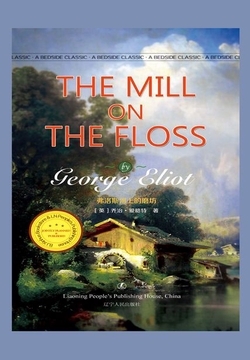
弗洛斯河上的磨坊(英文版)
喬治·愛略特
591人在讀
93.7萬字總字數
¥14定價
喬治·愛略特
《弗洛斯河上的磨坊》的時代背景是英國的維多利亞時期,當時正是大英帝國的鼎盛期,工業革命正如火如荼。故事以湯姆和麥琪兄妹兩人爲中心展開。麥琪的父親原本在弗洛斯河邊經營一家磨坊,因債務破產後,兄妹二人的生活發生重大變化,湯姆棄學外出打工,麥琪則操持家務。湯姆依靠勤奮和智慧還清債務,贖回磨坊,父親卻因爲大喜過望去世了。麥琪兩次戀愛都不被湯姆看好,被趕出磨坊。一夜洪水暴漲,淹沒了磨坊,麥琪獨自駕船回去營救湯姆。兄妹二人在危難中和解,卻不幸被洪水吞沒。
一聲喟嘆。。。 ——我讀《弗洛斯河上的磨坊》 早就聽聞喬治·艾略特的大名,始終沒讀過她寫的書。讀完這本《弗洛斯河上的磨坊》,五體投地。 這是個簡單至極的故事。一個姑娘瑪吉少女時代朦朦朧朧愛上了殘疾卻極有才華的菲利普。倆人因爲父輩的緣故分開。幾年後瑪吉偶遇表妹的準未婚夫斯蒂芬,倆人幾乎一見鍾情。瑪吉陷入對單純可愛的露西和對她一直一往情深的菲利普的強烈內疚之中。最後成爲全鎮人口中的“壞女人”的瑪吉死於洪水中。結束了這個尷尬的四角關係,成全了露西和斯蒂芬。 幾句話就講完的故事作者寫了560多頁,足足50萬字,但我並未感到拖沓嘮叨,津津有味地讀完了這一大厚本,足見作者的高明瞭。 這本書簡單的來說就是愛情和責任的辯論。斯蒂芬和露西其時並未訂婚,瑪吉和菲利普也早已分手,但是斯蒂芬和露西是公認了的準未婚夫妻,露西也深深仰慕着斯蒂芬。菲利普是最懂瑪吉的人,一直以來只愛着她。鑑於這兩點,瑪吉深深糾結。她既深愛斯蒂芬,有不願傷害露西和菲利普。這是那個年代純真善良的價值觀,放在現在這兩個理由真不算啥,絕對不會搞得滿城風雨,當事者個個痛苦萬分。 喬治·艾略特慢慢地給你講着故事。從瑪吉小時候開始講起。一點一點細細的講小女孩的心事和痛苦,講她小時候的古靈精怪調皮搗蛋,講她最愛的哥哥湯姆,講她的父母,講磨坊周圍美麗的風景,講瑪吉的三個姨媽,講瑪吉的窮姑媽,講她小時候怎樣初次見到菲利普,講她長大後跟菲利普的愛情,甚至還講哥哥湯姆少年時的好朋友,講湯姆怎樣一點點幫父親還款重新撐起這個家。。。畫面感極強,非常的精彩。瑪吉遇到斯蒂芬之前纔是整本書的重點部分,讓我們讀者都覺得這個姑娘是我們看着長大的,以我們對她的瞭解她是不會做出讓愛她的人傷心的事的,就像菲利普瞭解瑪吉的那個程度,甚至還要更多一些。我們都跟瑪吉這麼熟悉了,她的喜怒哀樂如何不牽動着我們的心?我們替她惋惜,爲她不值。你看,後來斯蒂芬不是還是娶了露西?何必如此折磨自己呢?活着的時候不能對自己好點嗎? 但如果事到臨頭,咱們自己是不是能做出來奪人所愛的事情?是不是能堅決的拒絕深愛自己特別瞭解自己的人?奪人所愛如果是不經意間的一見鍾情,還沒啥。如果失戀的那個女孩子自殺了,咋辦?良心和愛情之間這真是一個艱難的選擇。 特別理解瑪吉的痛苦。特別心疼瑪吉這個好姑娘。 象徵着命運的洪流,沖走了瑪吉,沖走了這些煩憂。也許這就是瑪吉的命運吧。這麼聰慧善良美好的姑娘,懷着對家人的無限愛意,對生活的美好向往,在磨難面前堅忍着,但始終無法改變命運的洪流。在接到湯姆之前她還有旺盛的生命力,但依然無法對抗命運的洪流。 瑪吉的命運就像卡佛的那句話:“對大多數人而言,人生不是什麼冒險,而是一股莫之能逆的洪流。” 這洪流,沖走了美好年華的美好姑娘。。 而我們,又能怎麼辦呢? 只能說,這就是人生吧。
微信讀書你不上中文版知道我有多痛苦嗎👊🏻
爲什麼喬治艾略特這麼出色,卻在中國這麼藉藉無聞,連譯本都找不到
這,竟然是英文版。 🙈看不了啊
兄妹情深 永不分離 在英國的女作家之中,“奧斯汀山峯”“勃朗特峭壁”“艾略特山脈”和“伍爾夫丘陵”廣爲人知,但不知爲何,我一直沒有勇氣行走“山脈”,或許是因爲對她的討論太少,總有一層神祕面紗。在2024年底跨年讀完《弗洛斯河上的磨坊》,英式的田園生活讓人嚮往,細膩的感情描寫使人沉浸,哲學的探討交鋒促人成長,悲傷的故事結局令人心碎。 喬治•艾略特(George Eliot,1819—1880)是英國維多利亞時代著名作家之一,原名瑪麗-安•伊文思(Marry Ann Evans),生長在英國華立克郡。父親是一處大莊園的代理人。喬治•艾略特從小就比較熟悉英國農村的風土人情。因此,她的小說清新優美,極富田園生活的大自然的氣息。喬治•艾略特的早年作品都流露出了她對英國鄉村生活的親身體驗。在這些小說中,艾略特用較多的篇幅描繪鄉村的風光和生活習俗,歌頌英國農民在宗法制社會中的怡然自得的樂趣,表達了她對田園生活的嚮往和她對宗法制社會的留戀。但她在創作中首次顯示了現實主義小說的新特徵,如獨特的哲學視角和細膩的心理分析。她重視對人物內心世界的關注和對人性的體察。在她的第一部小說《亞當•貝德》和第二部小說《弗洛斯河上的磨坊》中,她的創作特點分別得到了很好的體現。如果和《亞當•貝德》中佔優勢的田園鄉村的題材相比,《弗洛斯河上的磨坊》是一部發出悲劇聲響的作品。 “The Mill On the Floss” is considered as a semi-autobiographical novel written by George Eliot. Like the character Maggie in the novel, Eliot is brought up smart and enthusiastic who loves her family, Eliot lives in a farm when she is young, and Eliot’s love affair is not approved by her brother. We can see Eliot’s shadow in Maggie. At the same time, this novel reveals that Maggie, who is regarded as a rebel, has formed selfconsciousness when gradually growing up. Under the appearance of rebellion is her awakening self-consciousness. Maggie lives in Victorian male-dominant society, so she with rebellious consciousness, can only sometimes choose to escape to fight against the control and oppression of patriarchal dominance and pursue spiritual freedom. Maggie escapes for the first time when her aunts make fun of her being gypsy-like, and she protests by leaving home and trying to join the gypsy. She leaves because she finds it hard to build her self-identity through the approval of others in life. Maggie is suppressed for her quickness. “Mediocrity is the virtue of women”. Her brother Tom hates her knowing everything, and her father thinks ignorance is an advantage for a girl to some extent. And soon after the Tulliver family is bankrupted, Maggie instead of Tom is banished from education just because she is a girl and people would not prefer a woman to be more intelligent than a man.Maggie finds it hard to make her family happy while pursuing her desire, and she finally makes peace with her inner-self after reading the lines in a book: “If thou sleekest this or that, and wouldst be here or there to enjoy thy own will and pleasure, thou shalt never be quiet nor free from care.” and these lines shock Maggie greatly: “It flashed through her like the suddenly apprehended solution of a problem, that all the miseries of her young life had come from fixing her heart on her own pleasure as if that were the central necessity of the universe” Maggie is led by this religious book to believe that pursuing her own desire is selfish and she is obligated to give up her own pleasure sometimes and make other happy. Maggie doubts it is her fault that leads to the unhappiness in life and it is time when she decides to assert her own will and protects people she loves. She forms her values gradually and these words in this book have a profound impact on Maggie when she makes choices in her later life. Phlip is the first temptation for Maggie, the son of her family’s enemy’s lawyer. Maggie’s intimacy with Philip is neither allowed nor agreed by Tom and other people. But Philip seems quite philosophical about their relationship: “But I can’t give up wishing, it seems to me we can never give up longing and wishing while we are thoroughly alive. There are certain things we feel to be beautiful and good, and we must hunger after them. How can we ever be satisfied without them until our feelings are deadened?” When he comes up with books, music and sweet memory of their childhood, he encourages Maggie to be brave to pursuit things and people she loves, to follow her heart, and to rebel. But Maggie breaks up with Philip because she does not want to hurt Tom’s feeling. “I desire no future that will break the ties of the past. But the tie to my brother is one of the strongest. I can do nothing willingly that will divide me always from him.” Maggie regards sibling love as the only reason that keeps her and Philip apart forever. This change in Maggie is so great that people around can ignore. “Her mother felt the change in her with a sort of puzzled wonder that Maggie should be ‘growing up so good’; it was amazing that this once ‘contrary’ child was become so submissive, so backward to assert her own will.” The second temptation is Stephen, lover of Maggie’s cousin Lucy. Maggie is deeply in love with Stephen and Stephen loves her the same. But if Maggie choose to be with Stephen, they would break Lucy’s heart and Maggie would be accused of stepping in. So she tells Stephen to “remember what we both felt: that we both owed ourselves to others and must conquer every inclination which could make us false to that debt” When Maggie is aware of her conditions, she does not choose to stand in opposition to tradition and society. She holds on to her moral integrity, and she lives up to fulfill her moral duty. Maggie eventually chooses to break up with Stephen. At the end of “The Mill On the Floss”, a heavy flood hit the village. Maggie could have the chance to escape and survival. On thinking of the fact of her mother and Tom, Maggie decides to come back and save Tom. However, Maggie and Tom eventually die together in the floods. Dorlcote Mill was rebuilt. And Dorlcote churchyard–where the brick grave that held a father whom we know, was found with the stone laid prostrate upon it after the flood–had recovered all its grassy order and decent quiet. Near that brick grave there was a tomb erected, very soon after the flood, for two bodies that were found in close embrace; and it was visited at different moments by two men who both felt that their keenest joy and keenest sorrow were forever buried there. One of them visited the tomb again with a sweet face beside him; but that was years after. The other was always solitary. His great companionship was among the trees of the red Deeps, where the buried joy seemed still to hover, like a revisiting spirit. The tomb bore the names of Tom and Maggie Tulliver, and below the names it was written,– "In their death they were not divided."
聽完了中文版 作爲艾略特女士作爲傑出的兩大作品之一 這本書諷刺性和主觀同情勝過米德爾馬契,講述的是一顆敏感和求知的心在不被重視的時代背景下的成長曆程 當然我們應該看到這本書揭示另一個問題 就是情感需求被壓制和忽略的,以及他們和道德發生衝突時個人對自我認知不足時會造成怎樣的危害和應該如何面對?
4/5 沒有看到結局的時候內心裏想打的分數一直是3.5/5,直到看到結局。 評論家們都對艾略特設計的這個結局不看好,覺得是過於倉促,簡化矛盾,進而又說她不理解自己的角色瑪吉,所以纔會有這個所謂的格格不入的結局。但其實艾略特從描繪瑪吉的童年生活開始,就埋下了她結局悲慘命運的種子。從小瑪吉就缺乏安全感,她渴望被哥哥湯姆認可,她渴望得到哥哥的愛,爲此她養成了不斷拋棄退讓的習慣,但是她從來沒有因此得到過哥哥的認可,相反只有哥哥的埋怨和拋棄。在最後的洪水中,瑪吉拋棄自己的生命安全選擇營救哥哥,他們和解了,瑪吉的不安全感在那一刻得到了安撫。假如瑪吉和哥哥湯姆最終都沒有死亡,那麼瑪吉的不安全感還是會繼續困擾着她,因爲她面對着道德和慾望的困境,不論是選擇斯蒂芬還是菲利普或者兩者都不選,湯姆還是會對她所做的一切感到氣憤。因此如果瑪吉和哥哥都沒有死亡,那麼這本書就沒有可能走向結局。只有通過死亡,瑪吉和哥哥之間的關係永遠停留在了和解的那一刻,瑪吉的不安全感也得到了安撫。但值得說明的是,安撫並不是解決。艾略特並沒有想要簡化她的結局,正因爲她太瞭解她的角色了,所以她在結尾選擇保留瑪吉這個人物的複雜性。洪水中的死亡是最合適的也是唯一符合這本書設定的結局。
這本書對話部分排版很奇怪,不知道是不是按口語閱讀的方式簡寫了,不知道原文是不是這樣的,不太方便讀者閱讀。
讀的伍厚愷的中譯本,翻譯得非常非常好。